

Here's something you might be interested in.
Ask a Hipster — Advice you didn't know you needed
Big Screen — Movie commentary
Blurt — Music's inside track
Booze News — San Diego spirits
Classical Music — Immortal beauty
Classifieds — Free and easy
Close to Home — What it’s like on the street where you live
Cover Stories — Front-page features
Drinks All Around — Bartenders' drink recipes
Excerpts — Literary and spiritual excerpts
Feast! — Food & drink reviews
Feature Stories — Local news & stories
Fishing Report — What’s getting hooked from ship and shore
From the Archives — Spotlight on the past
Golden Dreams — Talk of the town
The Gonzo Report — Making the musical scene, or at least reporting from it
Letters — Our inbox
Movies@Home — Local movie buffs share favorites
Movie Reviews — Our critics' picks and pans
Musician Interviews — Up close with local artists
Neighborhood News from Stringers — Hyperlocal news
News Ticker — News & politics
Obermeyer — San Diego politics illustrated
Outdoors — Weekly changes in flora and fauna
Overheard in San Diego — Eavesdropping illustrated
Poetry — The old and the new
Reader Travel — Travel section built by travelers
Reading — The hunt for intellectuals
Roam-O-Rama — SoCal's best hiking/biking trails
San Diego Beer — Inside San Diego suds
SD on the QT — Almost factual news
Sheep and Goats — Places of worship
Special Issues — The best of
Street Style — San Diego streets have style
Surf Diego — Real stories from those braving the waves
Theater — On stage in San Diego this week
Tin Fork — Silver spoon alternative
Under the Radar — Matt Potter's undercover work
Unforgettable — Long-ago San Diego
Unreal Estate — San Diego's priciest pads
Your Week — Daily event picks
Judith Moore's tough-fisted regime at the Reader
She hated adverbs
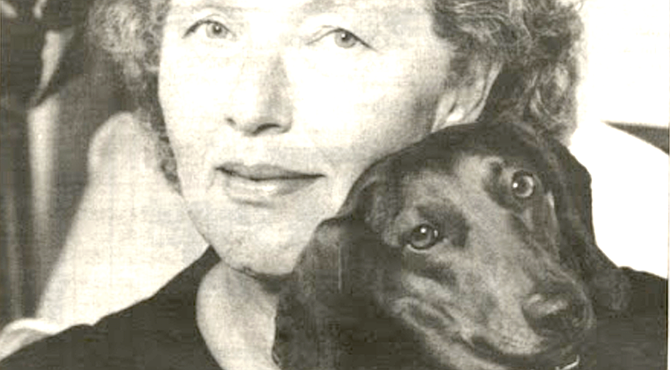
Moore (senior editor at the Reader 1986-2006) said in whiskey tones, "We like this and we'll pay you for it."
"Moore wants more," I would joke to myself.
Busy Fingers Are Happy Fingers — Joe Deegan
I couldn't find an angle to get my story started, I told her. "Forget all about angles," she then said with annoyance in her voice, "and write a sentence. Then write another sentence, and another."
Mother Reader — Barbarella
"Don't self-publish anything; it makes you look like a slut," Judith once told me over the phone.
Build Your Writing Muscles — Ollie
I didn't know she was dying of cancer and the treatments were causing her great grief. She never told me she was sick.
^^^^^^^^^^^
The Reader has started this series of its best stories from the past 52 years — 2600 cover stories and some remarkable interior features — to help make up for the loss of its physical edition, which was once large enough to hold whole oceans of print. These stories will feature all the original illustrations and photos (plus easy-to-read typography).
^^^^^^^^^^^
Let the Tape Recorder Do the Work — Matthew Lickona
"If Norton offers you $80,000 and FSG offers $50,000, take FSG. It guarantees you a review in the Times, and everybody will pay attention."
Faith — Abe Opincar
"You sound like a fluttering dilettante."
Make Something Better — Stephen Dobyns
Usually the most she said was, "Oh, you get it," meaning, I supposed, that I understood what she understood about writing.
How Truth Can Be Told — Laura McNeal
"I hate flattery, don't you?" she said to me once. I didn't, but I said I did. I wanted to hate flattery.
She Got Me to Think Out Loud — Geoff Bouvier
When I was going through a divorce, she sent this little note: "I think of you. Sometimes a person feels he will just fall off the edge of the world; you won't. J."
Don't Pretend You Know More Than You Do — Ed Bedford
"It's not just food you're writing about," she said. "It's the people, the bargains, the atmosphere, whatever happens. We're an alternative paper."
Ask Them How They Vote — John Brizzolara
"Write everything as if it will be the last chance you have to write anything."
She Knew How Fragile Writers Could Be — Deirdre Lickona
I tried to follow the advice she dispensed in her low voice over the telephone: "Show, don't tell." "Write what you know." "Use strong verbs." "Honey, don't worry."
"You Don't Do Anger" — Ken Kuhlken
Best of all, she was willing to bawl me out.
She Hated Adverbs — Jennifer Ball
I didn't know she was sick. I was shocked when I saw the obituary on the front of the "Datebook" section of the San Francisco Chronicle.
"It's a Good Story for You" — Thomas Larson
She said in whiskey tones, "We like this and we'll pay you for it, and send me some ideas for stories,"
More Blood, More Pus, More Mucus — Sue Greenberg
"None of this PR crap anymore. It's a bad habit, and I'll be the one to break you of it, by God. Stop watching that loathsome thirtysomething and read a book."
She Let Me Know What She Didn't Want — Robert Kumpel
Once, when I had a story idea that was loaded with irony, she told me that she was "not interested in O. Henry stories."
Judith's Creed was Read, Read, Read — Dorothy Stewart
She said that if you aren't a good reader, you won't be a good writer.
More Was Her Thing — Rosa Jurjevics
"More middle, more activity," she'd say, in the comments she'd send back to me. I knew what she meant by this, what she wanted. Nothing extraneous, just...More. "Moore wants more," I would joke to myself.
Always Read Poetry — Jerry Miller
She would deepen her voice, soften and elongate her vowels, and breathe life into any poem.
Pay Attention to the Details — Ernie Grimm
“Honey,” she interrupted,“I want you to
pay attention to the
details she gets: the size
of rooms she’s in, the
temperature of the air,
the color of eyes and
clothes, sounds, smells,
and mannerisms. All of
that observation makes
good writing.”
Too Many Passive Verbs — Thomas Lux
Judith gave me tips: "The people you interview write a lot of the article for you!"
She Gave More Than She Took — Justin Wolff
Judith was a ghost to me. She was present, but never corporeally. It strikes me as ironic that I never met her, considering that the body — her body — was one of her principal concerns.
Late Have I Loved You — Mary Grimm
Over her last months, this lady who had been a work mother to me became in her own words a "scared little girl." I was humbled and honored when she wrote me saying I had become "a spiritual mother" to her. Another note said that she could feel our prayers holding her spirit high.
This story first appeared in the Reader on August 16, 2007.
Here's something you might be interested in.
Judith Moore's tough-fisted regime at the Reader
She hated adverbs

Judith Moore's tough-fisted regime at the Reader
She hated adverbs
Moore (senior editor at the Reader 1986-2006) said in whiskey tones, "We like this and we'll pay you for it."
"Moore wants more," I would joke to myself.
Busy Fingers Are Happy Fingers — Joe Deegan
I couldn't find an angle to get my story started, I told her. "Forget all about angles," she then said with annoyance in her voice, "and write a sentence. Then write another sentence, and another."
Mother Reader — Barbarella
"Don't self-publish anything; it makes you look like a slut," Judith once told me over the phone.
Build Your Writing Muscles — Ollie
I didn't know she was dying of cancer and the treatments were causing her great grief. She never told me she was sick.
^^^^^^^^^^^
The Reader has started this series of its best stories from the past 52 years — 2600 cover stories and some remarkable interior features — to help make up for the loss of its physical edition, which was once large enough to hold whole oceans of print. These stories will feature all the original illustrations and photos (plus easy-to-read typography).
^^^^^^^^^^^
Let the Tape Recorder Do the Work — Matthew Lickona
"If Norton offers you $80,000 and FSG offers $50,000, take FSG. It guarantees you a review in the Times, and everybody will pay attention."
Faith — Abe Opincar
"You sound like a fluttering dilettante."
Make Something Better — Stephen Dobyns
Usually the most she said was, "Oh, you get it," meaning, I supposed, that I understood what she understood about writing.
How Truth Can Be Told — Laura McNeal
"I hate flattery, don't you?" she said to me once. I didn't, but I said I did. I wanted to hate flattery.
She Got Me to Think Out Loud — Geoff Bouvier
When I was going through a divorce, she sent this little note: "I think of you. Sometimes a person feels he will just fall off the edge of the world; you won't. J."
Don't Pretend You Know More Than You Do — Ed Bedford
"It's not just food you're writing about," she said. "It's the people, the bargains, the atmosphere, whatever happens. We're an alternative paper."
Ask Them How They Vote — John Brizzolara
"Write everything as if it will be the last chance you have to write anything."
She Knew How Fragile Writers Could Be — Deirdre Lickona
I tried to follow the advice she dispensed in her low voice over the telephone: "Show, don't tell." "Write what you know." "Use strong verbs." "Honey, don't worry."
"You Don't Do Anger" — Ken Kuhlken
Best of all, she was willing to bawl me out.
She Hated Adverbs — Jennifer Ball
I didn't know she was sick. I was shocked when I saw the obituary on the front of the "Datebook" section of the San Francisco Chronicle.
"It's a Good Story for You" — Thomas Larson
She said in whiskey tones, "We like this and we'll pay you for it, and send me some ideas for stories,"
More Blood, More Pus, More Mucus — Sue Greenberg
"None of this PR crap anymore. It's a bad habit, and I'll be the one to break you of it, by God. Stop watching that loathsome thirtysomething and read a book."
She Let Me Know What She Didn't Want — Robert Kumpel
Once, when I had a story idea that was loaded with irony, she told me that she was "not interested in O. Henry stories."
Judith's Creed was Read, Read, Read — Dorothy Stewart
She said that if you aren't a good reader, you won't be a good writer.
More Was Her Thing — Rosa Jurjevics
"More middle, more activity," she'd say, in the comments she'd send back to me. I knew what she meant by this, what she wanted. Nothing extraneous, just...More. "Moore wants more," I would joke to myself.
Always Read Poetry — Jerry Miller
She would deepen her voice, soften and elongate her vowels, and breathe life into any poem.
Pay Attention to the Details — Ernie Grimm
“Honey,” she interrupted,“I want you to
pay attention to the
details she gets: the size
of rooms she’s in, the
temperature of the air,
the color of eyes and
clothes, sounds, smells,
and mannerisms. All of
that observation makes
good writing.”
Too Many Passive Verbs — Thomas Lux
Judith gave me tips: "The people you interview write a lot of the article for you!"
She Gave More Than She Took — Justin Wolff
Judith was a ghost to me. She was present, but never corporeally. It strikes me as ironic that I never met her, considering that the body — her body — was one of her principal concerns.
Late Have I Loved You — Mary Grimm
Over her last months, this lady who had been a work mother to me became in her own words a "scared little girl." I was humbled and honored when she wrote me saying I had become "a spiritual mother" to her. Another note said that she could feel our prayers holding her spirit high.
This story first appeared in the Reader on August 16, 2007.
Comments