

Here's something you might be interested in.
Ask a Hipster — Advice you didn't know you needed
Big Screen — Movie commentary
Blurt — Music's inside track
Booze News — San Diego spirits
Classical Music — Immortal beauty
Classifieds — Free and easy
Close to Home — What it’s like on the street where you live
Cover Stories — Front-page features
Drinks All Around — Bartenders' drink recipes
Excerpts — Literary and spiritual excerpts
Feast! — Food & drink reviews
Feature Stories — Local news & stories
Fishing Report — What’s getting hooked from ship and shore
From the Archives — Spotlight on the past
Golden Dreams — Talk of the town
The Gonzo Report — Making the musical scene, or at least reporting from it
Letters — Our inbox
Movies@Home — Local movie buffs share favorites
Movie Reviews — Our critics' picks and pans
Musician Interviews — Up close with local artists
Neighborhood News from Stringers — Hyperlocal news
News Ticker — News & politics
Obermeyer — San Diego politics illustrated
Outdoors — Weekly changes in flora and fauna
Overheard in San Diego — Eavesdropping illustrated
Poetry — The old and the new
Reader Travel — Travel section built by travelers
Reading — The hunt for intellectuals
Roam-O-Rama — SoCal's best hiking/biking trails
San Diego Beer — Inside San Diego suds
SD on the QT — Almost factual news
Sheep and Goats — Places of worship
Special Issues — The best of
Street Style — San Diego streets have style
Surf Diego — Real stories from those braving the waves
Theater — On stage in San Diego this week
Tin Fork — Silver spoon alternative
Under the Radar — Matt Potter's undercover work
Unforgettable — Long-ago San Diego
Unreal Estate — San Diego's priciest pads
Your Week — Daily event picks
Missing moon makes for great galaxy-gazing, colorful ground cover
Spring begins on Friday
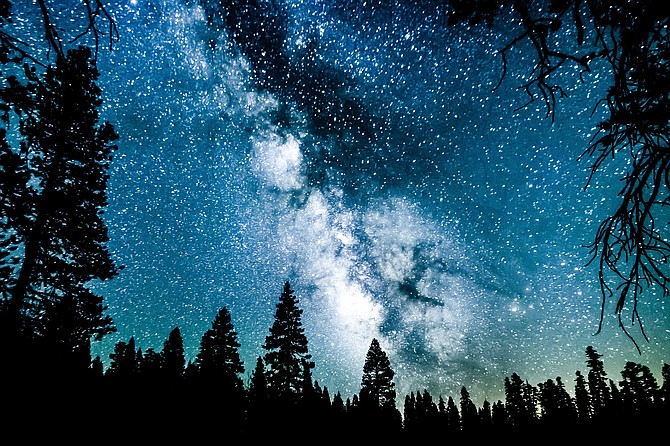
The New Moon Arrives on Wednesday, March 18. With the moon missing from our view, this is a perfect night for galaxy-gazing. There are seasons which are better for viewing galaxies outside of our solar system. During the summer months, the earth's sky faces our own Milky Way galaxy. In the winter, we're looking the opposite way, away from the galaxy's center and into the spiral arms of the Milky Way. But during the spring and fall, we are facing into deep space and towards lesser known galaxies like the Pinwheel Galaxy, located in the constellation Ursa Major (The Big Dipper), or the Whirlpool Galaxy, also near Ursa Major in the constellation Canes Venatici. To see these distant galaxies you'll need a telescope of at least six inches in length — and the darker the sky the better your chances. Head for the hills or desert to get away from city light pollution.
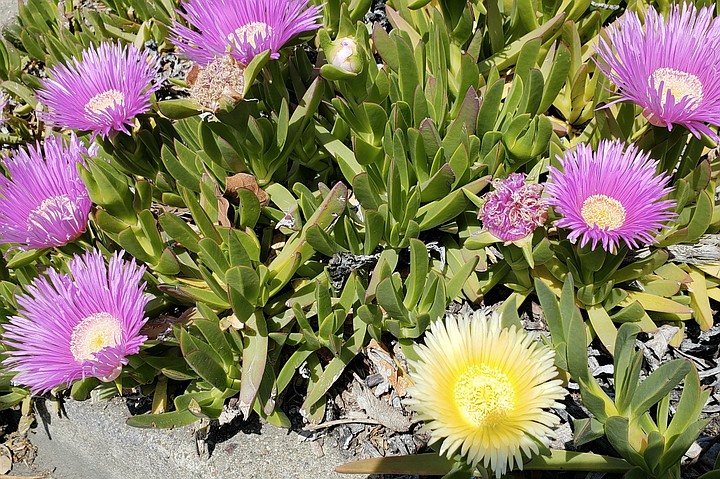
Ice Plant is Responsible For Many of the Carpet-like Splashes of yellow, pink, red, and purple we’re beginning to see around San Diego. Popular as a ground cover for concealing and stabilizing road cuts or any other easily eroded slope, ice plant covers the shoreline bluffs at La Jolla, road embankments in Rancho Santa Fe and Balboa Park, and front and back yards from Point Loma to El Cajon.
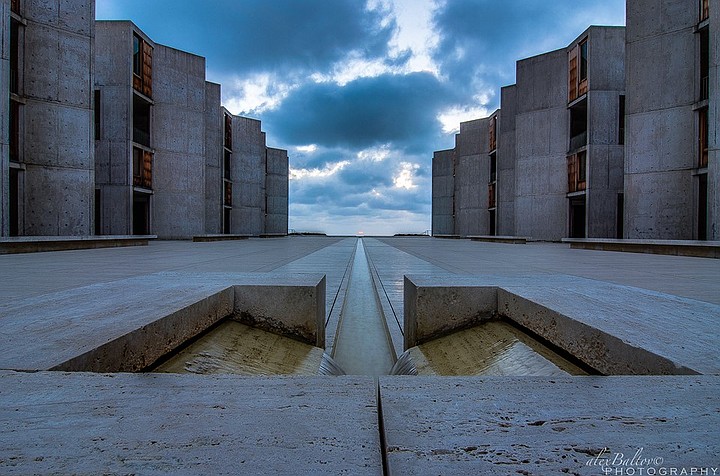
Vernal Equinox Sunset by Alex Baltov Photography
The Vernal Equinox on Friday, March 20 heralds the beginning of the spring season for Earth’s northern hemisphere. At the instant of vernal equinox, the sun lies in the plane of Earth’s equator. As a result, days and nights are of equal length (12 hours each) everywhere on our planet. Another consequence is that the sun rises due east along the horizon and sets due west. During the next three months, as the sun will shine more and more directly on our hemisphere, daylight hours will lengthen, and the rising and setting positions of the sun will gradually shift toward the northeast and northwest, respectively.
Here's something you might be interested in.
Missing moon makes for great galaxy-gazing, colorful ground cover
Spring begins on Friday

Missing moon makes for great galaxy-gazing, colorful ground cover
Spring begins on Friday
The New Moon Arrives on Wednesday, March 18. With the moon missing from our view, this is a perfect night for galaxy-gazing. There are seasons which are better for viewing galaxies outside of our solar system. During the summer months, the earth's sky faces our own Milky Way galaxy. In the winter, we're looking the opposite way, away from the galaxy's center and into the spiral arms of the Milky Way. But during the spring and fall, we are facing into deep space and towards lesser known galaxies like the Pinwheel Galaxy, located in the constellation Ursa Major (The Big Dipper), or the Whirlpool Galaxy, also near Ursa Major in the constellation Canes Venatici. To see these distant galaxies you'll need a telescope of at least six inches in length — and the darker the sky the better your chances. Head for the hills or desert to get away from city light pollution.
Ice Plant is Responsible For Many of the Carpet-like Splashes of yellow, pink, red, and purple we’re beginning to see around San Diego. Popular as a ground cover for concealing and stabilizing road cuts or any other easily eroded slope, ice plant covers the shoreline bluffs at La Jolla, road embankments in Rancho Santa Fe and Balboa Park, and front and back yards from Point Loma to El Cajon.
Vernal Equinox Sunset by Alex Baltov Photography
The Vernal Equinox on Friday, March 20 heralds the beginning of the spring season for Earth’s northern hemisphere. At the instant of vernal equinox, the sun lies in the plane of Earth’s equator. As a result, days and nights are of equal length (12 hours each) everywhere on our planet. Another consequence is that the sun rises due east along the horizon and sets due west. During the next three months, as the sun will shine more and more directly on our hemisphere, daylight hours will lengthen, and the rising and setting positions of the sun will gradually shift toward the northeast and northwest, respectively.
Comments