

Here's something you might be interested in.
Ask a Hipster — Advice you didn't know you needed
Big Screen — Movie commentary
Blurt — Music's inside track
Booze News — San Diego spirits
Classical Music — Immortal beauty
Classifieds — Free and easy
Close to Home — What it’s like on the street where you live
Cover Stories — Front-page features
Drinks All Around — Bartenders' drink recipes
Excerpts — Literary and spiritual excerpts
Feast! — Food & drink reviews
Feature Stories — Local news & stories
Fishing Report — What’s getting hooked from ship and shore
From the Archives — Spotlight on the past
Golden Dreams — Talk of the town
The Gonzo Report — Making the musical scene, or at least reporting from it
Letters — Our inbox
Movies@Home — Local movie buffs share favorites
Movie Reviews — Our critics' picks and pans
Musician Interviews — Up close with local artists
Neighborhood News from Stringers — Hyperlocal news
News Ticker — News & politics
Obermeyer — San Diego politics illustrated
Outdoors — Weekly changes in flora and fauna
Overheard in San Diego — Eavesdropping illustrated
Poetry — The old and the new
Reader Travel — Travel section built by travelers
Reading — The hunt for intellectuals
Roam-O-Rama — SoCal's best hiking/biking trails
San Diego Beer — Inside San Diego suds
SD on the QT — Almost factual news
Sheep and Goats — Places of worship
Special Issues — The best of
Street Style — San Diego streets have style
Surf Diego — Real stories from those braving the waves
Theater — On stage in San Diego this week
Tin Fork — Silver spoon alternative
Under the Radar — Matt Potter's undercover work
Unforgettable — Long-ago San Diego
Unreal Estate — San Diego's priciest pads
Your Week — Daily event picks
The travails of Abigails — and others
SDSU history prof shines a light on generations of strong American women
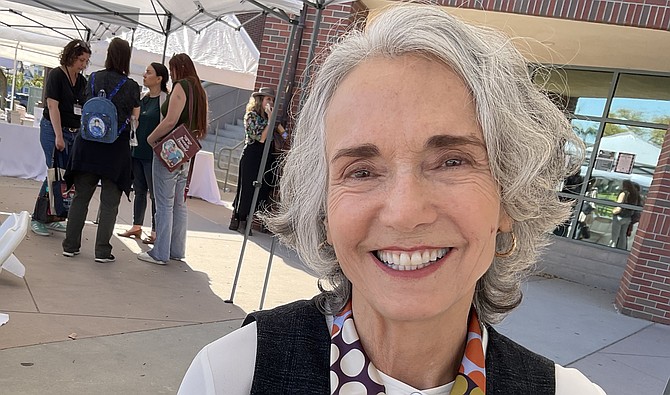
Elizabeth Cobbs: Feminist historian
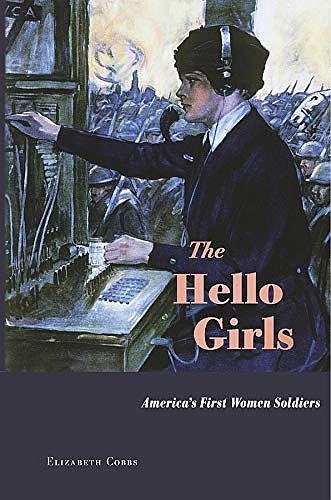
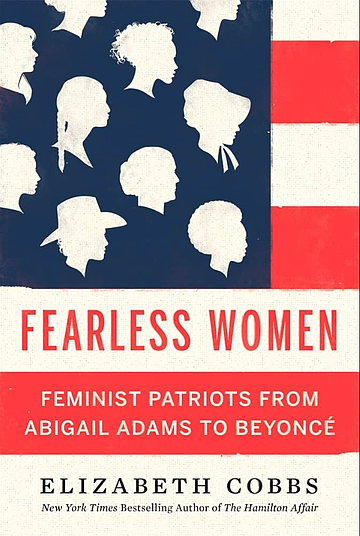
She’s glamorous, she’s bright, she’s a writer with a mission to put women back into the mainstream of U.S. history. SDSU history prof Elizabeth Cobbs created a sensation in 2019 when she published The Hello Girls, which detailed the experiences of 223 female Bell Telephone employees who ventured into a war zone in France during WW1 to relay war messages between commands for the U.S. Army. (It seems they picked up the new telephone technology faster than men.) They became America’s first female soldiers. Now, a TV doc and a Broadway musical later, Cobbs has published a follow-up: Fearless Women: Feminist Patriots from Abigail Adams to Beyoncé.
Abigail Adams was the wife of Founding Father and second president John Adams. She famously asked him to “remember the ladies” when he was helping draft the Declaration of Independence. He ignored her.
Case in point: another Abigail. “Abigail Bailey was married to a revolutionary war hero. But here was her struggle: she was a mother of 17 children. Her husband Asa was well-known in the community, well-respected — and a sexual predator. He abused one of their daughters, attacked the young women who worked in their household. But [Abigail] had no rights. Women were chattel, and if she had left her husband, she would have had to leave all of her daughters in his care, because a woman had no rights to custody over her children. So how do you defend your children if you can’t even have custody over them? And then he kidnapped her, and she had to get on a horse and escape. She rode 200 miles. These women were crazy gutsy!”
Mary Church Terrell had a double fight: she was a woman, and she was African-American. She fought for women’s and civil rights all through Jim Crow. Yet not many know of her.
This kind of exclusion drives Cobbs crazy, but also drives her to create. “I’ve taught American history for 35 years. I was an active feminist before I became a historian, and always interested in this topic. And even I didn’t understand how it had unfolded historically. All of us have heard about Susan B. Anthony. But not about people like Mary Church Terrell. I mean, women at the time of the American Revolution had the same rights that women in Afghanistan have today. They were not expected to speak in public. They were not allowed to go to high school. If you earned money, that money belonged to your husband. The parallels are amazing. What’s interesting is the women themselves, as human beings, were like us today. But their world was very different from ours.”
That is the thing that keeps Cobbs writing: the battle for women’s rights has been a centuries-long struggle. “Each generation overcame some really big problem, in order to set the stage for the next generation. It’s not something that any author has ever actually written about.”
I’m desperate to know about Abigail Bailey. Did she finally get free? Cobbs gives a knowing look. “She ended up saving her kids. But her? You’ll have to read the book to see what happened.”
Here's something you might be interested in.
The travails of Abigails — and others
SDSU history prof shines a light on generations of strong American women

The travails of Abigails — and others
SDSU history prof shines a light on generations of strong American women
Elizabeth Cobbs: Feminist historian
She’s glamorous, she’s bright, she’s a writer with a mission to put women back into the mainstream of U.S. history. SDSU history prof Elizabeth Cobbs created a sensation in 2019 when she published The Hello Girls, which detailed the experiences of 223 female Bell Telephone employees who ventured into a war zone in France during WW1 to relay war messages between commands for the U.S. Army. (It seems they picked up the new telephone technology faster than men.) They became America’s first female soldiers. Now, a TV doc and a Broadway musical later, Cobbs has published a follow-up: Fearless Women: Feminist Patriots from Abigail Adams to Beyoncé.
Abigail Adams was the wife of Founding Father and second president John Adams. She famously asked him to “remember the ladies” when he was helping draft the Declaration of Independence. He ignored her.
Case in point: another Abigail. “Abigail Bailey was married to a revolutionary war hero. But here was her struggle: she was a mother of 17 children. Her husband Asa was well-known in the community, well-respected — and a sexual predator. He abused one of their daughters, attacked the young women who worked in their household. But [Abigail] had no rights. Women were chattel, and if she had left her husband, she would have had to leave all of her daughters in his care, because a woman had no rights to custody over her children. So how do you defend your children if you can’t even have custody over them? And then he kidnapped her, and she had to get on a horse and escape. She rode 200 miles. These women were crazy gutsy!”
Mary Church Terrell had a double fight: she was a woman, and she was African-American. She fought for women’s and civil rights all through Jim Crow. Yet not many know of her.
This kind of exclusion drives Cobbs crazy, but also drives her to create. “I’ve taught American history for 35 years. I was an active feminist before I became a historian, and always interested in this topic. And even I didn’t understand how it had unfolded historically. All of us have heard about Susan B. Anthony. But not about people like Mary Church Terrell. I mean, women at the time of the American Revolution had the same rights that women in Afghanistan have today. They were not expected to speak in public. They were not allowed to go to high school. If you earned money, that money belonged to your husband. The parallels are amazing. What’s interesting is the women themselves, as human beings, were like us today. But their world was very different from ours.”
That is the thing that keeps Cobbs writing: the battle for women’s rights has been a centuries-long struggle. “Each generation overcame some really big problem, in order to set the stage for the next generation. It’s not something that any author has ever actually written about.”
I’m desperate to know about Abigail Bailey. Did she finally get free? Cobbs gives a knowing look. “She ended up saving her kids. But her? You’ll have to read the book to see what happened.”
Comments