

Here's something you might be interested in.
Ask a Hipster — Advice you didn't know you needed
Big Screen — Movie commentary
Blurt — Music's inside track
Booze News — San Diego spirits
Classical Music — Immortal beauty
Classifieds — Free and easy
Close to Home — What it’s like on the street where you live
Cover Stories — Front-page features
Drinks All Around — Bartenders' drink recipes
Excerpts — Literary and spiritual excerpts
Feast! — Food & drink reviews
Feature Stories — Local news & stories
Fishing Report — What’s getting hooked from ship and shore
From the Archives — Spotlight on the past
Golden Dreams — Talk of the town
The Gonzo Report — Making the musical scene, or at least reporting from it
Letters — Our inbox
Movies@Home — Local movie buffs share favorites
Movie Reviews — Our critics' picks and pans
Musician Interviews — Up close with local artists
Neighborhood News from Stringers — Hyperlocal news
News Ticker — News & politics
Obermeyer — San Diego politics illustrated
Outdoors — Weekly changes in flora and fauna
Overheard in San Diego — Eavesdropping illustrated
Poetry — The old and the new
Reader Travel — Travel section built by travelers
Reading — The hunt for intellectuals
Roam-O-Rama — SoCal's best hiking/biking trails
San Diego Beer — Inside San Diego suds
SD on the QT — Almost factual news
Sheep and Goats — Places of worship
Special Issues — The best of
Street Style — San Diego streets have style
Surf Diego — Real stories from those braving the waves
Theater — On stage in San Diego this week
Tin Fork — Silver spoon alternative
Under the Radar — Matt Potter's undercover work
Unforgettable — Long-ago San Diego
Unreal Estate — San Diego's priciest pads
Your Week — Daily event picks
Some plants help you hide from mosquitos, July's "Buck Moon" arrives Thursday
Grunion open summer season begins July 10
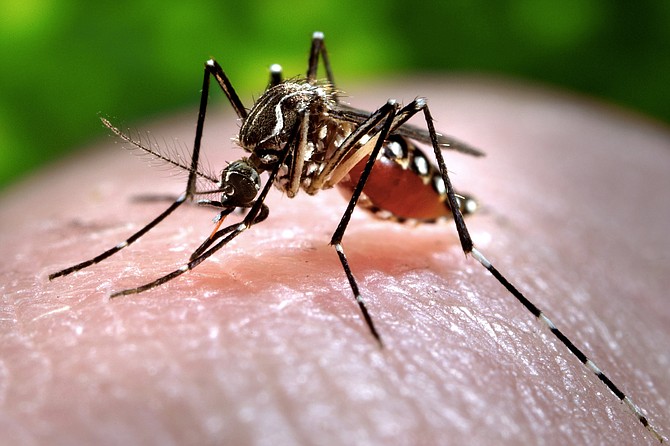
Also known as the “yellow fever mosquito”, Aedes Aegypti can spread many disease agents.
As Our Weather Warms Up And Our Outdoor Activities Increase, so will our number of mosquito bites. What's to be done? The old standbys of wearing loose-fitting long-sleeved shirts and pants and applying insect repellants that contain DEET or oil of lemon eucalyptus will help prevent bites. But your best bet remains environmental control.
Mosquitos are poor fliers — that's why you get fewer bites when it's windy — so outdoor fans may help protect your patio setup. You may want to add some plantings as well. Research has been done on marigolds, lemongrass, catnip, lavender, lantana, rosemary, garlic, basil and thyme as mosquito deterrents. It should be noted that most scientific studies have been done on extracted oils, not the plants themselves. But still, plants that give off a strong scent will help cover your scent; because mosquitos hunt partly by smell, they may move on to other areas where it's easier to find victims.
(Mosquitos also hunt by detecting carbon dioxide That means people who have a high metabolic rate and so emit more carbon dioxide — including those who are pregnant, working out, or drinking alcohol — tend to be more attractive.)
And because mosquitos breed where it's wet, it's important to keep things dry. Emptying water out of buckets and old tires isn't enough: the Aedes aegypti mosquito arrived in San Diego in 2014, and these smaller, more aggressive mosquitos need only a wet lawn to lay their eggs. When it's warm, they can go from egg to adult in less than a week. Also called the dengue mosquito or yellow fever mosquito, these little buggers can spread dengue, Zika, chikungunya and West Nile fever in humans and heartworm in dogs, so limiting their breeding grounds is important.

Shelter Island at night beneath a full moon.
The Full "Buck Moon" Will Reach Peak Brightness at around 1:37 pm on Thursday, July 10. It will be below the horizon at that time, so plan to look towards the southeast after sunset to watch it rise into the sky. July’s full moon is called the "Buck Moon" because the antlers of male deer (bucks) are at peak growth in July. Bucks shed and regrow their antlers each year, with the racks getting larger as the years go by. Other folk names for the July full moon include “hay moon,” “wort moon,” “moon of blood” (a reference to mosquitoes), “fallow moon,” and “thunder moon.”
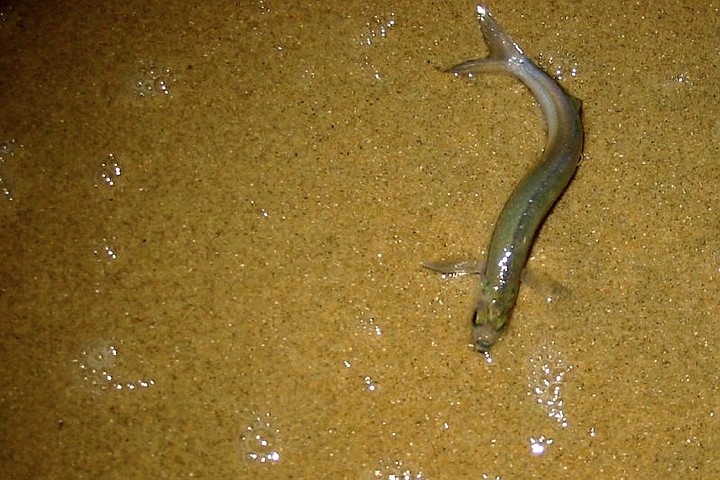
Grunion may be taken by hand only. No holes may be dug in the beach to entrap them.
Open Season Grunion Runs Are Set to Take Place during the late evening hours (9:30 pm - 1:30 am), following the nocturnal high tide, July 10 through July 13. The small, silvery grunion tend to spawn on wide, gently sloping beaches such as Silver Strand, Mission Beach, Pacific Beach, La Jolla Shores, and Del Mar. Open season for grunion starts in July this year, and from then until the end of August, the fish can be collected in reasonable numbers using the hands only (fishing license needed for persons 16 years of age and older). For more information, visit wildlife.ca.gov/Fishing/Ocean/Grunion.
Here's something you might be interested in.
Some plants help you hide from mosquitos, July's "Buck Moon" arrives Thursday
Grunion open summer season begins July 10

Some plants help you hide from mosquitos, July's "Buck Moon" arrives Thursday
Grunion open summer season begins July 10
Also known as the “yellow fever mosquito”, Aedes Aegypti can spread many disease agents.
As Our Weather Warms Up And Our Outdoor Activities Increase, so will our number of mosquito bites. What's to be done? The old standbys of wearing loose-fitting long-sleeved shirts and pants and applying insect repellants that contain DEET or oil of lemon eucalyptus will help prevent bites. But your best bet remains environmental control.
Mosquitos are poor fliers — that's why you get fewer bites when it's windy — so outdoor fans may help protect your patio setup. You may want to add some plantings as well. Research has been done on marigolds, lemongrass, catnip, lavender, lantana, rosemary, garlic, basil and thyme as mosquito deterrents. It should be noted that most scientific studies have been done on extracted oils, not the plants themselves. But still, plants that give off a strong scent will help cover your scent; because mosquitos hunt partly by smell, they may move on to other areas where it's easier to find victims.
(Mosquitos also hunt by detecting carbon dioxide That means people who have a high metabolic rate and so emit more carbon dioxide — including those who are pregnant, working out, or drinking alcohol — tend to be more attractive.)
And because mosquitos breed where it's wet, it's important to keep things dry. Emptying water out of buckets and old tires isn't enough: the Aedes aegypti mosquito arrived in San Diego in 2014, and these smaller, more aggressive mosquitos need only a wet lawn to lay their eggs. When it's warm, they can go from egg to adult in less than a week. Also called the dengue mosquito or yellow fever mosquito, these little buggers can spread dengue, Zika, chikungunya and West Nile fever in humans and heartworm in dogs, so limiting their breeding grounds is important.
Shelter Island at night beneath a full moon.
The Full "Buck Moon" Will Reach Peak Brightness at around 1:37 pm on Thursday, July 10. It will be below the horizon at that time, so plan to look towards the southeast after sunset to watch it rise into the sky. July’s full moon is called the "Buck Moon" because the antlers of male deer (bucks) are at peak growth in July. Bucks shed and regrow their antlers each year, with the racks getting larger as the years go by. Other folk names for the July full moon include “hay moon,” “wort moon,” “moon of blood” (a reference to mosquitoes), “fallow moon,” and “thunder moon.”
Grunion may be taken by hand only. No holes may be dug in the beach to entrap them.
Open Season Grunion Runs Are Set to Take Place during the late evening hours (9:30 pm - 1:30 am), following the nocturnal high tide, July 10 through July 13. The small, silvery grunion tend to spawn on wide, gently sloping beaches such as Silver Strand, Mission Beach, Pacific Beach, La Jolla Shores, and Del Mar. Open season for grunion starts in July this year, and from then until the end of August, the fish can be collected in reasonable numbers using the hands only (fishing license needed for persons 16 years of age and older). For more information, visit wildlife.ca.gov/Fishing/Ocean/Grunion.
Comments