

Here's something you might be interested in.
Ask a Hipster — Advice you didn't know you needed
Big Screen — Movie commentary
Blurt — Music's inside track
Booze News — San Diego spirits
Classical Music — Immortal beauty
Classifieds — Free and easy
Close to Home — What it’s like on the street where you live
Cover Stories — Front-page features
Drinks All Around — Bartenders' drink recipes
Excerpts — Literary and spiritual excerpts
Feast! — Food & drink reviews
Feature Stories — Local news & stories
Fishing Report — What’s getting hooked from ship and shore
From the Archives — Spotlight on the past
Golden Dreams — Talk of the town
The Gonzo Report — Making the musical scene, or at least reporting from it
Letters — Our inbox
Movies@Home — Local movie buffs share favorites
Movie Reviews — Our critics' picks and pans
Musician Interviews — Up close with local artists
Neighborhood News from Stringers — Hyperlocal news
News Ticker — News & politics
Obermeyer — San Diego politics illustrated
Outdoors — Weekly changes in flora and fauna
Overheard in San Diego — Eavesdropping illustrated
Poetry — The old and the new
Reader Travel — Travel section built by travelers
Reading — The hunt for intellectuals
Roam-O-Rama — SoCal's best hiking/biking trails
San Diego Beer — Inside San Diego suds
SD on the QT — Almost factual news
Sheep and Goats — Places of worship
Special Issues — The best of
Street Style — San Diego streets have style
Surf Diego — Real stories from those braving the waves
Theater — On stage in San Diego this week
Tin Fork — Silver spoon alternative
Under the Radar — Matt Potter's undercover work
Unforgettable — Long-ago San Diego
Unreal Estate — San Diego's priciest pads
Your Week — Daily event picks
City of San Diego threatens landlords for all the fees
Rent application fees, monthly pet fees, screening fees, late fees – under attack
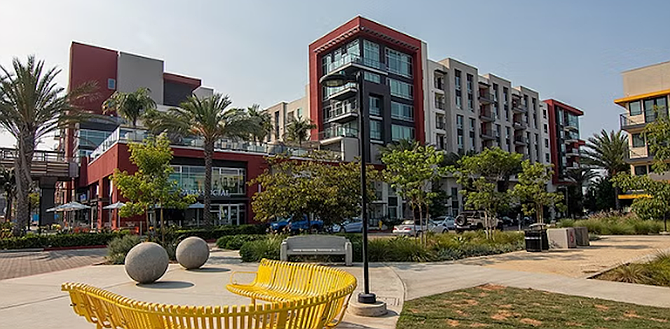
San Diego's metro area's median rent is $3,028.
San Diegans are being hit with all kinds of fees just to rent a home, and the city wants to lay down some laws. “These fees may be arbitrary, excessive, and opaque,” a recent report says. Own a pet? There’s even a monthly fee for that, beyond the pet deposit.
The select committee on addressing cost of living will hold a special meeting Thursday, October 30, to discuss putting a cap on the fees, and requiring landlords to provide full cost transparency for their rentals.
Opponents argue state law already protects renters, with security deposits capped at one month’s rent, application screening fees limited to actual processing costs, and San Diego’s recently implemented residential tenant utility charges ordinance — which bans landlords from charging more than actual utility costs. One comment argues that the measure “risks discouraging landlord participation and shrinking San Diego’s already limited rental supply."
But as the city sees it, people are still being “nickel and dimed.” Nearly half of San Diego renters live in the metro area, where median rent is $3,028, and many get by paycheck to paycheck. Along with the high rental rates, they face rental application fees and other charges during tenancy that can make it harder to find and keep housing. This is especially true for those with low incomes and credit scores.
In San Diego, paying multiple application fees is as standard as the decades-old practice of charging a fee simply to apply for a rental. (According to reports by Zillow and RentCafe, renters in competitive markets like San Diego often submit 3–5 applications before landing a lease. One study found the city’s landlords receive around 24 applications per available unit.) In addition, there may be a screening fee for background and credit checks. California law caps the total fees at around $65 as of 2025.
Despite rising area median incomes, household incomes have not kept up with housing costs, which have risen 68 percent for rental units. There are 89,803 renter households in San Diego with incomes of $50,000 and less.
Under the ordinance, which would include enforcement and remedies for violations, landlords must disclose — in advertising, on their website, and in any document that lists rental cost — the total for monthly rent and any additional fees. A refundable holding deposit could be charged for up to five percent of the unit’s monthly rent. And applicants would be able to provide their own screening report, though the city is still working out the details on that.
Charges during tenancy would allow fees up to a total of five percent of monthly rent, excluding fees regulated by local, state, or federal law. Late fees would be permitted up to two percent of the rent, but only if rent is overdue by at least seven days. Payments made by the tenant for rent would have to be applied before any late fees. A charge for processing rent and fee payments would be allowed, including a convenience or check cashing fee, up to the cost the landlord pays. Fees could not be charged for services solicited by a landlord to maintain habitability, like trash valet fees.
And in a win for pet owners, only a one-time pet security deposit could be charged. “Pet rent” would be a thing of the past.
Here's something you might be interested in.
City of San Diego threatens landlords for all the fees
Rent application fees, monthly pet fees, screening fees, late fees – under attack

City of San Diego threatens landlords for all the fees
Rent application fees, monthly pet fees, screening fees, late fees – under attack
San Diego's metro area's median rent is $3,028.
San Diegans are being hit with all kinds of fees just to rent a home, and the city wants to lay down some laws. “These fees may be arbitrary, excessive, and opaque,” a recent report says. Own a pet? There’s even a monthly fee for that, beyond the pet deposit.
The select committee on addressing cost of living will hold a special meeting Thursday, October 30, to discuss putting a cap on the fees, and requiring landlords to provide full cost transparency for their rentals.
Opponents argue state law already protects renters, with security deposits capped at one month’s rent, application screening fees limited to actual processing costs, and San Diego’s recently implemented residential tenant utility charges ordinance — which bans landlords from charging more than actual utility costs. One comment argues that the measure “risks discouraging landlord participation and shrinking San Diego’s already limited rental supply."
But as the city sees it, people are still being “nickel and dimed.” Nearly half of San Diego renters live in the metro area, where median rent is $3,028, and many get by paycheck to paycheck. Along with the high rental rates, they face rental application fees and other charges during tenancy that can make it harder to find and keep housing. This is especially true for those with low incomes and credit scores.
In San Diego, paying multiple application fees is as standard as the decades-old practice of charging a fee simply to apply for a rental. (According to reports by Zillow and RentCafe, renters in competitive markets like San Diego often submit 3–5 applications before landing a lease. One study found the city’s landlords receive around 24 applications per available unit.) In addition, there may be a screening fee for background and credit checks. California law caps the total fees at around $65 as of 2025.
Despite rising area median incomes, household incomes have not kept up with housing costs, which have risen 68 percent for rental units. There are 89,803 renter households in San Diego with incomes of $50,000 and less.
Under the ordinance, which would include enforcement and remedies for violations, landlords must disclose — in advertising, on their website, and in any document that lists rental cost — the total for monthly rent and any additional fees. A refundable holding deposit could be charged for up to five percent of the unit’s monthly rent. And applicants would be able to provide their own screening report, though the city is still working out the details on that.
Charges during tenancy would allow fees up to a total of five percent of monthly rent, excluding fees regulated by local, state, or federal law. Late fees would be permitted up to two percent of the rent, but only if rent is overdue by at least seven days. Payments made by the tenant for rent would have to be applied before any late fees. A charge for processing rent and fee payments would be allowed, including a convenience or check cashing fee, up to the cost the landlord pays. Fees could not be charged for services solicited by a landlord to maintain habitability, like trash valet fees.
And in a win for pet owners, only a one-time pet security deposit could be charged. “Pet rent” would be a thing of the past.