

Here's something you might be interested in.
Ask a Hipster — Advice you didn't know you needed
Big Screen — Movie commentary
Blurt — Music's inside track
Booze News — San Diego spirits
Classical Music — Immortal beauty
Classifieds — Free and easy
Close to Home — What it’s like on the street where you live
Cover Stories — Front-page features
Drinks All Around — Bartenders' drink recipes
Excerpts — Literary and spiritual excerpts
Feast! — Food & drink reviews
Feature Stories — Local news & stories
Fishing Report — What’s getting hooked from ship and shore
From the Archives — Spotlight on the past
Golden Dreams — Talk of the town
The Gonzo Report — Making the musical scene, or at least reporting from it
Letters — Our inbox
Movies@Home — Local movie buffs share favorites
Movie Reviews — Our critics' picks and pans
Musician Interviews — Up close with local artists
Neighborhood News from Stringers — Hyperlocal news
News Ticker — News & politics
Obermeyer — San Diego politics illustrated
Outdoors — Weekly changes in flora and fauna
Overheard in San Diego — Eavesdropping illustrated
Poetry — The old and the new
Reader Travel — Travel section built by travelers
Reading — The hunt for intellectuals
Roam-O-Rama — SoCal's best hiking/biking trails
San Diego Beer — Inside San Diego suds
SD on the QT — Almost factual news
Sheep and Goats — Places of worship
Special Issues — The best of
Street Style — San Diego streets have style
Surf Diego — Real stories from those braving the waves
Theater — On stage in San Diego this week
Tin Fork — Silver spoon alternative
Under the Radar — Matt Potter's undercover work
Unforgettable — Long-ago San Diego
Unreal Estate — San Diego's priciest pads
Your Week — Daily event picks
Scotty's first date: THE LAST PICTURE SHOW
What better way to celebrate turning 70 than by reliving one of life's most humiliating moments?
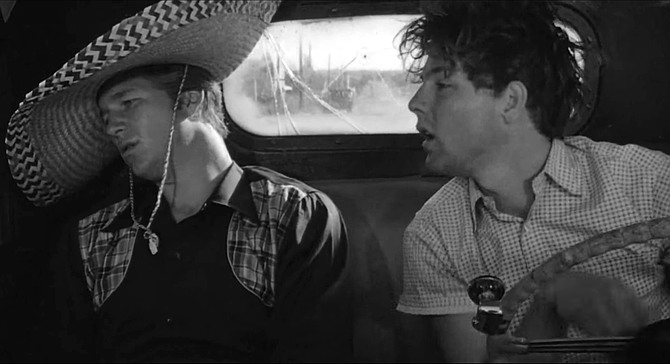
The magic moment: Duane (Jeff Bridges) and Sonny (Timothy Bottoms) return from Tijuana.
SCOTTY’S FIRST DATE: THE LAST PICTURE SHOW
Every birthday, I enjoy taking an on-the-clock vacation from work, pricking myself with my razor-sharp memory, and bleeding for my readers as I reminisce about key moments in my cinematic development. Having just turned 70, it’s about time that I go public with the most humiliating moment of my teenage life — a moment that, of course, took place inside the relative comfort and safety of a gargantuan picture show palace.
Peter Bogdanovich’s The Last Picture Show (1971) was released at a tumultuous point in film distribution history, when the dust of the crumbling studio system had yet to settle. Years before Hollywood adopted a carpet-bombing approach to exhibition, blanketing the country with thousands of prints, a gentlemanly, albeit very strict policy remained in place: major releases would open exclusively in top-dollar houses, generally situated in bustling urban hubs, before going wide for a second run in the ‘burbs.
Video:
Trailer: THE LAST PICTURE SHOW
Located in the heart of Chicago’s Gold Coast district, the spacious art deco-designed Esquire Theatre was just such a first-run dream palace. The cavernous auditorium, with balcony seating, housed just this side of 1400 patrons. The projector was so far from the stage, the giant screen reclined to ensure critical focus. It was within these majestic confines that my heart received its first disembowelment.
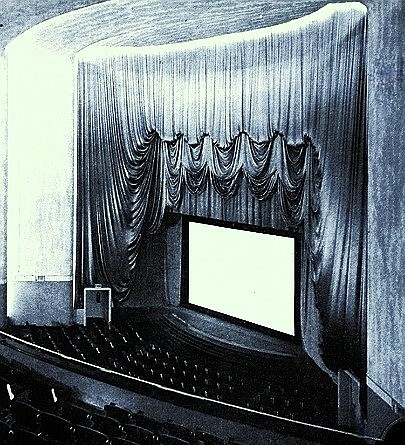
Chicago's Esquire Theater
Call her Anghared; like the name, she was the embodiment of nothing one would expect to find in the last predominantly Jewish graduating class of Mather High School. There she stood, every Jewish boy’s dream: an oasis of gentile gentility in a garden of brunettes with bobbed noses. A tall, golden-haired, blue-eyed yiddishe maytal, this Jewess in shiksa clothing was possessed of a wicked laugh and equally sardonic sense of humor.
We met in class and soon became phone friends. Sophomore year began in September; by the time November rolled around, I had summoned up the nerve to ask her to a movie. There was a catch: I had yet to receive my driver’s license and would have to rely on the services of Larry’s Livery.
Babe and Larry offered to take us out for a late dinner after the show, to which I gratefully agreed. But the WTF are you thinking? look I shot Babe after she suggested they join us for the movie registered as “No!” First off, my parents didn’t do lines. They were known to enter a theatre in mid-movie — double-features included! They’d buy tickets, stroll in at any point, watch until the feature ended, then sit through an entire second picture followed by the first half of the double-feature we originally crashed. (Hence the saying, “This is where I came in.”)
It was a chilly autumn Saturday night in Chicago and Oak Street was hopping. The family cab deposited us at the end of the line, which already stretched down the block. By the time we reached the box office, only nosebleed seating in the second balcony remained.
The Last Picture Show rattled Hollywood convention. For starters, it was shot in black-and-white at a time when Hollywood had all but converted to color. Bogdanovich was embracing and lamenting an era that had passed, all the while telling a story by simultaneously adhering to and rewriting its rules. Set in 1950, the film’s uncanny eye for treating period recreation as a character stands out to this day. It also handled nudity with a frankness unlike anything mainstream moviegoers had witnessed up to that point, which was no doubt a contributing factor to the long lines.
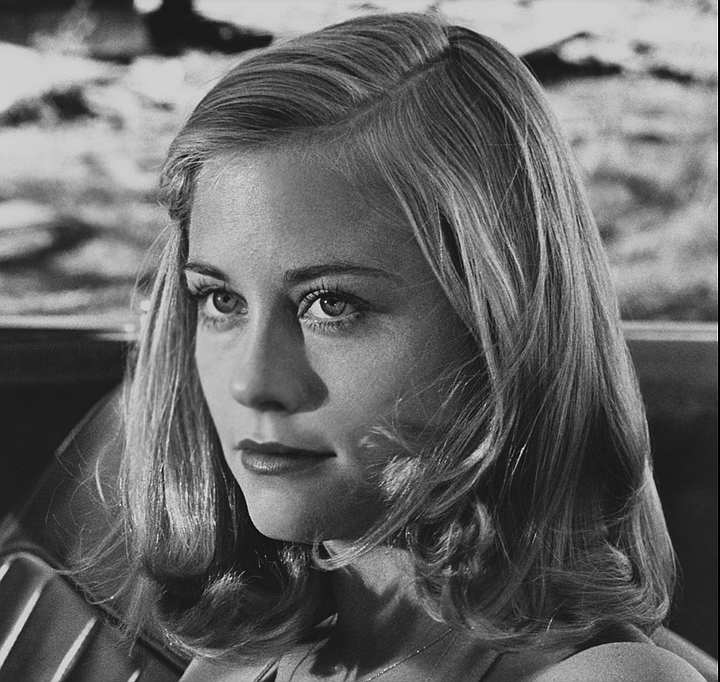
Cybill Shepherd, The Last Picture Show
It's pretty special to discover a movie in which the characters reflect both the audience's age and the challenges they face. There I sat, a high school student in a picture show, about to put the moves on his version of Cybill Shepherd. Having finished reading the novel just weeks before the film opened, I was pleased to see how closely it followed the book. I quickly put together a plan of attack: when Duane and Sonny returned home from Tijuana, it was time to make my move. None of this yawn-and-stretch ruse for me. When Marks cups his palm around a dame’s shoulder, she knows she’s been hugged.
Her laughter bounded around every corner of the vast showplace.
We’re talking a full-out, silence-shattering, neck-craning, Max Cady gut-buster. One could sense heads turning from the balcony below all the way to the main floor. She laughed so loud that patrons in neighboring bars took to the streets to see what was so funny.
My right arm went as limp as cooked linguini. Still trying hard to stifle a laugh, Angharad tugged at my wrist before letting slip a charitable, “No, no. It’s okay. You can keep it there.” There was no misreading those signs. Better to lose an arm to a wood-chipper than a cold shoulder. Another minute passed before I wriggled free.
The torture persisted. “Hey! You kids enjoy the show?” an unusually animated Larry greeted us as we piled into the back seat of the Chevy wagon. My mind said, “Shut the fuck up and drive,” but my mouth said, “Yes.” A quick dinner at a neighborhood deli put an end to the agony.
Decades passed. Then one day, I was playing catch up with an ex-classmate and Angharad’s name came up. Turns out, had I waited long enough, and been willing to travel to Vegas, I could have bedded her as many times as I could afford.
Here's something you might be interested in.
Scotty's first date: THE LAST PICTURE SHOW
What better way to celebrate turning 70 than by reliving one of life's most humiliating moments?

Scotty's first date: THE LAST PICTURE SHOW
What better way to celebrate turning 70 than by reliving one of life's most humiliating moments?
The magic moment: Duane (Jeff Bridges) and Sonny (Timothy Bottoms) return from Tijuana.
SCOTTY’S FIRST DATE: THE LAST PICTURE SHOW
Every birthday, I enjoy taking an on-the-clock vacation from work, pricking myself with my razor-sharp memory, and bleeding for my readers as I reminisce about key moments in my cinematic development. Having just turned 70, it’s about time that I go public with the most humiliating moment of my teenage life — a moment that, of course, took place inside the relative comfort and safety of a gargantuan picture show palace.
Peter Bogdanovich’s The Last Picture Show (1971) was released at a tumultuous point in film distribution history, when the dust of the crumbling studio system had yet to settle. Years before Hollywood adopted a carpet-bombing approach to exhibition, blanketing the country with thousands of prints, a gentlemanly, albeit very strict policy remained in place: major releases would open exclusively in top-dollar houses, generally situated in bustling urban hubs, before going wide for a second run in the ‘burbs.
Video:
Trailer: THE LAST PICTURE SHOW
Located in the heart of Chicago’s Gold Coast district, the spacious art deco-designed Esquire Theatre was just such a first-run dream palace. The cavernous auditorium, with balcony seating, housed just this side of 1400 patrons. The projector was so far from the stage, the giant screen reclined to ensure critical focus. It was within these majestic confines that my heart received its first disembowelment.
Chicago's Esquire Theater
Call her Anghared; like the name, she was the embodiment of nothing one would expect to find in the last predominantly Jewish graduating class of Mather High School. There she stood, every Jewish boy’s dream: an oasis of gentile gentility in a garden of brunettes with bobbed noses. A tall, golden-haired, blue-eyed yiddishe maytal, this Jewess in shiksa clothing was possessed of a wicked laugh and equally sardonic sense of humor.
We met in class and soon became phone friends. Sophomore year began in September; by the time November rolled around, I had summoned up the nerve to ask her to a movie. There was a catch: I had yet to receive my driver’s license and would have to rely on the services of Larry’s Livery.
Babe and Larry offered to take us out for a late dinner after the show, to which I gratefully agreed. But the WTF are you thinking? look I shot Babe after she suggested they join us for the movie registered as “No!” First off, my parents didn’t do lines. They were known to enter a theatre in mid-movie — double-features included! They’d buy tickets, stroll in at any point, watch until the feature ended, then sit through an entire second picture followed by the first half of the double-feature we originally crashed. (Hence the saying, “This is where I came in.”)
It was a chilly autumn Saturday night in Chicago and Oak Street was hopping. The family cab deposited us at the end of the line, which already stretched down the block. By the time we reached the box office, only nosebleed seating in the second balcony remained.
The Last Picture Show rattled Hollywood convention. For starters, it was shot in black-and-white at a time when Hollywood had all but converted to color. Bogdanovich was embracing and lamenting an era that had passed, all the while telling a story by simultaneously adhering to and rewriting its rules. Set in 1950, the film’s uncanny eye for treating period recreation as a character stands out to this day. It also handled nudity with a frankness unlike anything mainstream moviegoers had witnessed up to that point, which was no doubt a contributing factor to the long lines.
Cybill Shepherd, The Last Picture Show
It's pretty special to discover a movie in which the characters reflect both the audience's age and the challenges they face. There I sat, a high school student in a picture show, about to put the moves on his version of Cybill Shepherd. Having finished reading the novel just weeks before the film opened, I was pleased to see how closely it followed the book. I quickly put together a plan of attack: when Duane and Sonny returned home from Tijuana, it was time to make my move. None of this yawn-and-stretch ruse for me. When Marks cups his palm around a dame’s shoulder, she knows she’s been hugged.
Her laughter bounded around every corner of the vast showplace.
We’re talking a full-out, silence-shattering, neck-craning, Max Cady gut-buster. One could sense heads turning from the balcony below all the way to the main floor. She laughed so loud that patrons in neighboring bars took to the streets to see what was so funny.
My right arm went as limp as cooked linguini. Still trying hard to stifle a laugh, Angharad tugged at my wrist before letting slip a charitable, “No, no. It’s okay. You can keep it there.” There was no misreading those signs. Better to lose an arm to a wood-chipper than a cold shoulder. Another minute passed before I wriggled free.
The torture persisted. “Hey! You kids enjoy the show?” an unusually animated Larry greeted us as we piled into the back seat of the Chevy wagon. My mind said, “Shut the fuck up and drive,” but my mouth said, “Yes.” A quick dinner at a neighborhood deli put an end to the agony.
Decades passed. Then one day, I was playing catch up with an ex-classmate and Angharad’s name came up. Turns out, had I waited long enough, and been willing to travel to Vegas, I could have bedded her as many times as I could afford.