

Here's something you might be interested in.
Ask a Hipster — Advice you didn't know you needed
Big Screen — Movie commentary
Blurt — Music's inside track
Booze News — San Diego spirits
Classical Music — Immortal beauty
Classifieds — Free and easy
Close to Home — What it’s like on the street where you live
Cover Stories — Front-page features
Drinks All Around — Bartenders' drink recipes
Excerpts — Literary and spiritual excerpts
Feast! — Food & drink reviews
Feature Stories — Local news & stories
Fishing Report — What’s getting hooked from ship and shore
From the Archives — Spotlight on the past
Golden Dreams — Talk of the town
The Gonzo Report — Making the musical scene, or at least reporting from it
Letters — Our inbox
Movies@Home — Local movie buffs share favorites
Movie Reviews — Our critics' picks and pans
Musician Interviews — Up close with local artists
Neighborhood News from Stringers — Hyperlocal news
News Ticker — News & politics
Obermeyer — San Diego politics illustrated
Outdoors — Weekly changes in flora and fauna
Overheard in San Diego — Eavesdropping illustrated
Poetry — The old and the new
Reader Travel — Travel section built by travelers
Reading — The hunt for intellectuals
Roam-O-Rama — SoCal's best hiking/biking trails
San Diego Beer — Inside San Diego suds
SD on the QT — Almost factual news
Sheep and Goats — Places of worship
Special Issues — The best of
Street Style — San Diego streets have style
Surf Diego — Real stories from those braving the waves
Theater — On stage in San Diego this week
Tin Fork — Silver spoon alternative
Under the Radar — Matt Potter's undercover work
Unforgettable — Long-ago San Diego
Unreal Estate — San Diego's priciest pads
Your Week — Daily event picks
Inspired, Entertained, and Moved at San Diego Symphony
Had he been in the house, Saint-Saens would have been well pleased by what he heard.
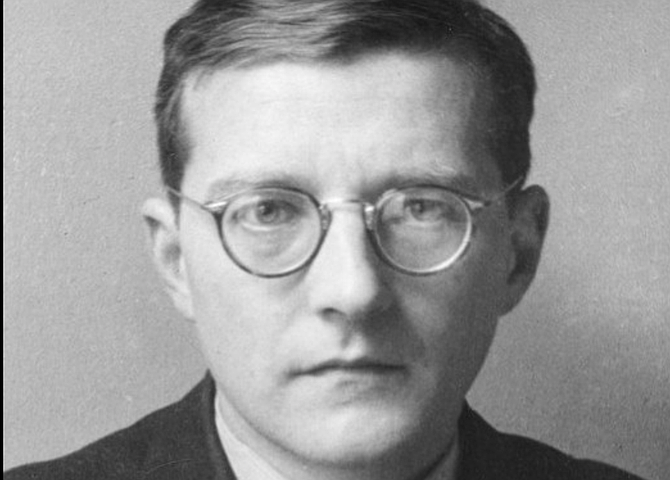
Shostakovich
The San Diego Symphony concert on Friday, May 16, was a return to the form that I have come to expect from that institution. When i go to a symphonic concert, I expect to be inspired, to be entertained, and to be moved emotionally.
Granted, a big part of that experience is based on me, and on what I had for breakfast that day, and on whether or not I’m “in a mood.” I was not in a mood when the May 16 concert started, but even if I had been, it would have been transformed, tout suite, by pianist Jean-Yves Thibaudet's presence and performance.
Thibaudet is a living legend. He’s been on the world stage for at least 30 years. There is a certain excitement when a new, young pianist bursts onto the scene. However, an established master can bring something beyond an exciting performance. This was the case with Thibaudet’s performance of Camille Saint-Saens’ Piano Concerto No. 5.
All types of classical music cliches can be employed here. Thibaudet "inhabited the music." He brought out its "inner emotional depth." He captured "the essence of Saint-Saens’ vision." That’s all fairly nonsensical. Let me put it this way. Had he been in the house, Saint-Saens would have been well pleased by what he heard.
Video:
Saint-Saëns: Piano Concerto No.5
Moving along: the world has changed since we last heard the Symphony perform Dimitri Shostakovich’s Symphony No. 7. We were in the old hall. Covid hadn’t happened, and there was no war in Ukraine. The then-venerated Valery Gergiev conducted the combined forces of the San Diego Symphony and the Mariinsky Orchestra.
This time, San Diego Symphony music director Rafael Payare conducted. The orchestra gave him everything he asked for. The ensemble was tight and locked in. The third movement was spectacular; Payare and the orchestra expertly navigated the frenetic and somber characteristics of Shostakovich’s music. During the finale, Payare stepped it up and drove home the intense defiance captured by the war-torn symphony.
Composed during the battle of Leningrad, Shostakovich’s Seventh is a testament to the resilience of the human spirit when faced with an impossible situation. Though not overtly composed to depict the battle, the music conveys a certain element of optimistic defiance. Of course, that’s there in pretty much all of Shostakovich’s music, which was stuck between Stalin and the Nazis.
May 16 at the symphony checked all of my boxes. I was inspired, entertained, and emotionally moved.
Video:
Shostakovich: Symphony No. 7
Here's something you might be interested in.
Inspired, Entertained, and Moved at San Diego Symphony
Had he been in the house, Saint-Saens would have been well pleased by what he heard.

Inspired, Entertained, and Moved at San Diego Symphony
Had he been in the house, Saint-Saens would have been well pleased by what he heard.
Shostakovich
The San Diego Symphony concert on Friday, May 16, was a return to the form that I have come to expect from that institution. When i go to a symphonic concert, I expect to be inspired, to be entertained, and to be moved emotionally.
Granted, a big part of that experience is based on me, and on what I had for breakfast that day, and on whether or not I’m “in a mood.” I was not in a mood when the May 16 concert started, but even if I had been, it would have been transformed, tout suite, by pianist Jean-Yves Thibaudet's presence and performance.
Thibaudet is a living legend. He’s been on the world stage for at least 30 years. There is a certain excitement when a new, young pianist bursts onto the scene. However, an established master can bring something beyond an exciting performance. This was the case with Thibaudet’s performance of Camille Saint-Saens’ Piano Concerto No. 5.
All types of classical music cliches can be employed here. Thibaudet "inhabited the music." He brought out its "inner emotional depth." He captured "the essence of Saint-Saens’ vision." That’s all fairly nonsensical. Let me put it this way. Had he been in the house, Saint-Saens would have been well pleased by what he heard.
Video:
Saint-Saëns: Piano Concerto No.5
Moving along: the world has changed since we last heard the Symphony perform Dimitri Shostakovich’s Symphony No. 7. We were in the old hall. Covid hadn’t happened, and there was no war in Ukraine. The then-venerated Valery Gergiev conducted the combined forces of the San Diego Symphony and the Mariinsky Orchestra.
This time, San Diego Symphony music director Rafael Payare conducted. The orchestra gave him everything he asked for. The ensemble was tight and locked in. The third movement was spectacular; Payare and the orchestra expertly navigated the frenetic and somber characteristics of Shostakovich’s music. During the finale, Payare stepped it up and drove home the intense defiance captured by the war-torn symphony.
Composed during the battle of Leningrad, Shostakovich’s Seventh is a testament to the resilience of the human spirit when faced with an impossible situation. Though not overtly composed to depict the battle, the music conveys a certain element of optimistic defiance. Of course, that’s there in pretty much all of Shostakovich’s music, which was stuck between Stalin and the Nazis.
May 16 at the symphony checked all of my boxes. I was inspired, entertained, and emotionally moved.
Video:
Shostakovich: Symphony No. 7