

Here's something you might be interested in.
Ask a Hipster — Advice you didn't know you needed
Big Screen — Movie commentary
Blurt — Music's inside track
Booze News — San Diego spirits
Classical Music — Immortal beauty
Classifieds — Free and easy
Close to Home — What it’s like on the street where you live
Cover Stories — Front-page features
Drinks All Around — Bartenders' drink recipes
Excerpts — Literary and spiritual excerpts
Feast! — Food & drink reviews
Feature Stories — Local news & stories
Fishing Report — What’s getting hooked from ship and shore
From the Archives — Spotlight on the past
Golden Dreams — Talk of the town
The Gonzo Report — Making the musical scene, or at least reporting from it
Letters — Our inbox
Movies@Home — Local movie buffs share favorites
Movie Reviews — Our critics' picks and pans
Musician Interviews — Up close with local artists
Neighborhood News from Stringers — Hyperlocal news
News Ticker — News & politics
Obermeyer — San Diego politics illustrated
Outdoors — Weekly changes in flora and fauna
Overheard in San Diego — Eavesdropping illustrated
Poetry — The old and the new
Reader Travel — Travel section built by travelers
Reading — The hunt for intellectuals
Roam-O-Rama — SoCal's best hiking/biking trails
San Diego Beer — Inside San Diego suds
SD on the QT — Almost factual news
Sheep and Goats — Places of worship
Special Issues — The best of
Street Style — San Diego streets have style
Surf Diego — Real stories from those braving the waves
Theater — On stage in San Diego this week
Tin Fork — Silver spoon alternative
Under the Radar — Matt Potter's undercover work
Unforgettable — Long-ago San Diego
Unreal Estate — San Diego's priciest pads
Your Week — Daily event picks
Tijuana drug rehab not all it's cracked up to be
Inmates tell sad stories
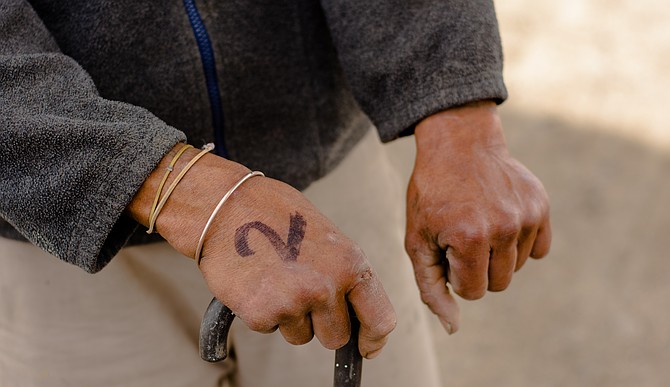
The addicts were imprisoned all together, whether or not they had mental issues besides their addictions.
One of the less publicized effects of the drug cartel issue in Tijuana is the lack of governmental infrastructure for rehab projects. The drug trade produces plenty of addicts, and if the government can't help — or at least oversee those who do — you end up with an environment ripe for businesses that take advantage of relatives who are desperate for their loved ones to recover.
These businesses tend to use a religiously oriented approach in their rehab methods, but without proper oversight, the government has no way to ensure their effectiveness — or even to protect patients' rights. The problem is especially bad on the city outskirts, where rehab centers have won popularity through viral social media videos that show how they "sponsor free treatment" for hard drug users.
Thirty-one-year-old Moises Valdez Castro's father signed up for one of these rehab centers, located around 20 miles east of the city`s downtown. "Later on, we got to know what kind of so-called treatment inmates were given by this rehab center." Valdez says. "The addicts were basically imprisoned all together, whether or not they had mental issues besides their addictions. He [Valdez's father] wasn`t able to sleep at night because of the fear of being hurt while being there. He told us he and the new inmates had to sleep on the floor for the 40 days he was there. That`s actually why we took him out; he ended up with an ear infection that had reached his eyes."
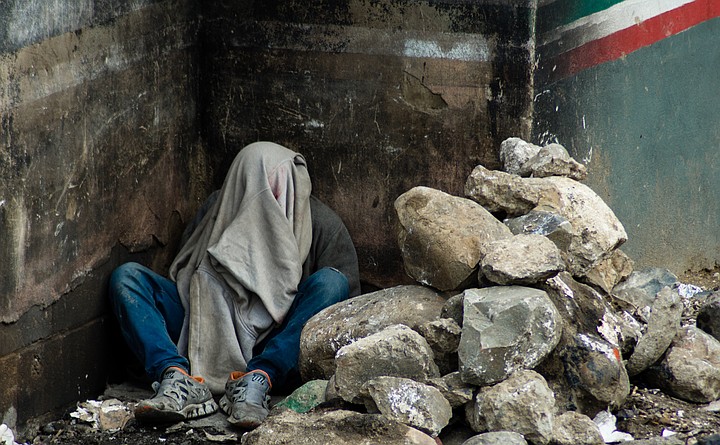
Guzman lives in the parking lot of a well-known supermarket in El Florido neighborhood. He got abducted by one of these rehab centers because someone wanted to kick him out of there.
Valdez says that when they picked his father up, he looked malnourished and traumatized by his experience. It helped him understand the consequences of hard drug use, but it wasn't exactly rehabilitative. Mostly, he was just glad that he could leave, since he had entered voluntarily. But that wasn't the case for most of the inmates, and sometimes, their stays ended up badly — especially if they needed psychological or psychiatric attention instead of religious guidance.
"I personally believe that this type of rehab doesn`t operate out of anyone's desire to help others out of charity," says Valdez. He thinks the patients are regarded as inmates, "just numbers to keep tax deductions in place and profits coming in. No actual treatment is given there. They are just kept under surveillance, to stop them from consuming — unless they can get substances through the people in charge of security."
Octavio Guzman is 33 years old and lives in the parking lot of a well-known supermarket in El Florido neighborhood. He explains that last year, he got abducted by one of these rehab centers, because someone who just wanted to kick him out of there made a call. The caller said that that Octavio was a drug user, but his real issue is that he is schizophrenic. “When they took me," says Guzman, they told me that I had been given a 'sponsorship' for their program, and that they would help me quit crystal meth. They said that I was causing problems in the neighborhood. I actually had a home, but my paranoia was so bad, my parents forced me to leave the house until it was gone.”
Guzman's older brother Arturo Guzman confirms Octavio was not a dangerous drug user in need of treatment; he just had schizophrenia. He says that people assumed he was a user and made up stories about him, eventually using an unregulated rehab center to essentially abduct him. Fortunately, he was able to sneak out and contact his brother for help.
Here's something you might be interested in.
Tijuana drug rehab not all it's cracked up to be
Inmates tell sad stories

Tijuana drug rehab not all it's cracked up to be
Inmates tell sad stories
The addicts were imprisoned all together, whether or not they had mental issues besides their addictions.
One of the less publicized effects of the drug cartel issue in Tijuana is the lack of governmental infrastructure for rehab projects. The drug trade produces plenty of addicts, and if the government can't help — or at least oversee those who do — you end up with an environment ripe for businesses that take advantage of relatives who are desperate for their loved ones to recover.
These businesses tend to use a religiously oriented approach in their rehab methods, but without proper oversight, the government has no way to ensure their effectiveness — or even to protect patients' rights. The problem is especially bad on the city outskirts, where rehab centers have won popularity through viral social media videos that show how they "sponsor free treatment" for hard drug users.
Thirty-one-year-old Moises Valdez Castro's father signed up for one of these rehab centers, located around 20 miles east of the city`s downtown. "Later on, we got to know what kind of so-called treatment inmates were given by this rehab center." Valdez says. "The addicts were basically imprisoned all together, whether or not they had mental issues besides their addictions. He [Valdez's father] wasn`t able to sleep at night because of the fear of being hurt while being there. He told us he and the new inmates had to sleep on the floor for the 40 days he was there. That`s actually why we took him out; he ended up with an ear infection that had reached his eyes."
Guzman lives in the parking lot of a well-known supermarket in El Florido neighborhood. He got abducted by one of these rehab centers because someone wanted to kick him out of there.
Valdez says that when they picked his father up, he looked malnourished and traumatized by his experience. It helped him understand the consequences of hard drug use, but it wasn't exactly rehabilitative. Mostly, he was just glad that he could leave, since he had entered voluntarily. But that wasn't the case for most of the inmates, and sometimes, their stays ended up badly — especially if they needed psychological or psychiatric attention instead of religious guidance.
"I personally believe that this type of rehab doesn`t operate out of anyone's desire to help others out of charity," says Valdez. He thinks the patients are regarded as inmates, "just numbers to keep tax deductions in place and profits coming in. No actual treatment is given there. They are just kept under surveillance, to stop them from consuming — unless they can get substances through the people in charge of security."
Octavio Guzman is 33 years old and lives in the parking lot of a well-known supermarket in El Florido neighborhood. He explains that last year, he got abducted by one of these rehab centers, because someone who just wanted to kick him out of there made a call. The caller said that that Octavio was a drug user, but his real issue is that he is schizophrenic. “When they took me," says Guzman, they told me that I had been given a 'sponsorship' for their program, and that they would help me quit crystal meth. They said that I was causing problems in the neighborhood. I actually had a home, but my paranoia was so bad, my parents forced me to leave the house until it was gone.”
Guzman's older brother Arturo Guzman confirms Octavio was not a dangerous drug user in need of treatment; he just had schizophrenia. He says that people assumed he was a user and made up stories about him, eventually using an unregulated rehab center to essentially abduct him. Fortunately, he was able to sneak out and contact his brother for help.