

Here's something you might be interested in.
Ask a Hipster — Advice you didn't know you needed
Big Screen — Movie commentary
Blurt — Music's inside track
Booze News — San Diego spirits
Classical Music — Immortal beauty
Classifieds — Free and easy
Close to Home — What it’s like on the street where you live
Cover Stories — Front-page features
Drinks All Around — Bartenders' drink recipes
Excerpts — Literary and spiritual excerpts
Feast! — Food & drink reviews
Feature Stories — Local news & stories
Fishing Report — What’s getting hooked from ship and shore
From the Archives — Spotlight on the past
Golden Dreams — Talk of the town
The Gonzo Report — Making the musical scene, or at least reporting from it
Letters — Our inbox
Movies@Home — Local movie buffs share favorites
Movie Reviews — Our critics' picks and pans
Musician Interviews — Up close with local artists
Neighborhood News from Stringers — Hyperlocal news
News Ticker — News & politics
Obermeyer — San Diego politics illustrated
Outdoors — Weekly changes in flora and fauna
Overheard in San Diego — Eavesdropping illustrated
Poetry — The old and the new
Reader Travel — Travel section built by travelers
Reading — The hunt for intellectuals
Roam-O-Rama — SoCal's best hiking/biking trails
San Diego Beer — Inside San Diego suds
SD on the QT — Almost factual news
Sheep and Goats — Places of worship
Special Issues — The best of
Street Style — San Diego streets have style
Surf Diego — Real stories from those braving the waves
Theater — On stage in San Diego this week
Tin Fork — Silver spoon alternative
Under the Radar — Matt Potter's undercover work
Unforgettable — Long-ago San Diego
Unreal Estate — San Diego's priciest pads
Your Week — Daily event picks
Sheep and Goats: South Bay Community Church
Relaunching as a smaller church with a shifted focus but a similar mission
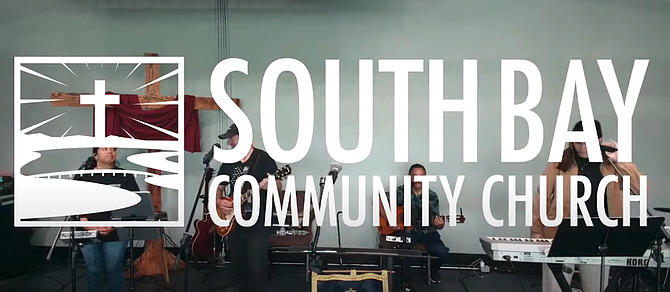
Contact: 1055 Tierra Del Rey, Ste. A, Chula Vista 619-267-5500 www.southbaycc.org
Denomination: Non-denominational
Membership: 30
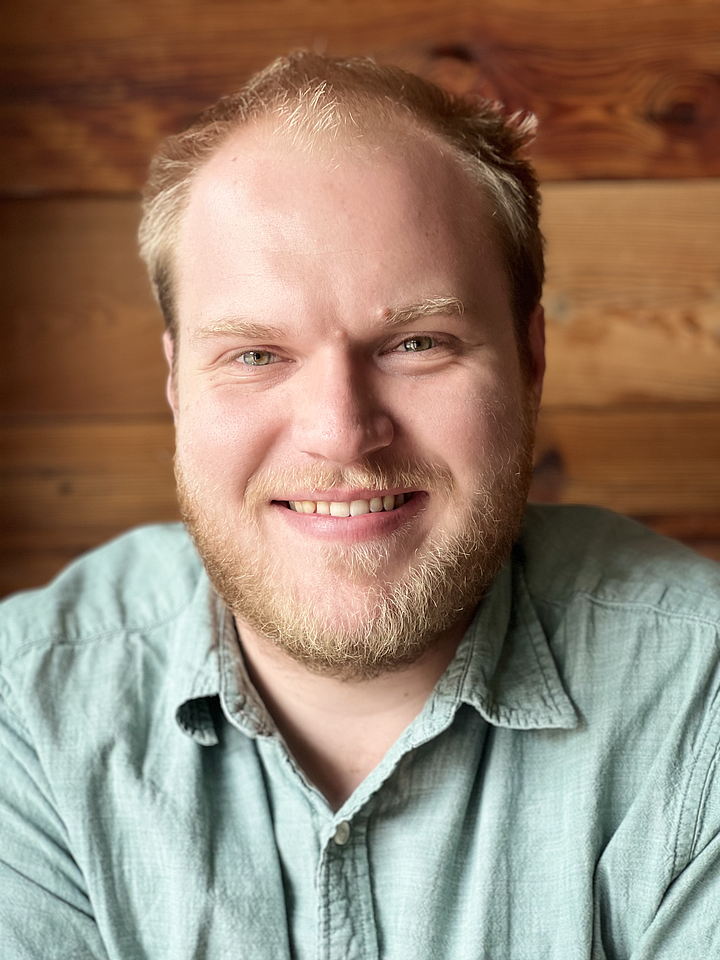
Pastor: William Frye
Age: 28
Born: San Diego
Formation: Mentored at South Bay Community Church
Years Ordained: 5
San Diego Reader: What is the mission of your church?
Pastor William Frye: By way of background, the church has been around for about 45 years and I’ve led it for the last two years. In part, what we’re doing is relaunching the church. Over the years, the church had dwindled, and three years ago, we decided to sell our 25,000-square foot facility in National City to San Diego Rescue Mission — whom we still partner with in outreach activities.
So, if you look at our new space in Chula Vista, that’s different. But if you were to look at our services from back then to now, you’ll not see much difference. The mission before was that we wanted to make disciples, and now we want to grow people and connect people more clearly. We’re still focused on making disciples, but we’re also focused on I what call covenantal relationships—on how we make our community we have a covenantal community in which we’re getting people in the church more involved with establishing our values, understanding what holds us together, and how we should move forward.
Our mission isn’t different from what it used to be. We exist to nurture spiritual growth in people and interconnect different generations through their faith. But we’ve also been working on ways to better reestablish that mission with each member of the church as we move forward.
SDR: What book has had an important influence on your ministry?
PF: As a result of selling our facilities, we have freed up funds to help support missionaries — some of it is local and some of it is all over the world. We discovered that there are some missionaries who think they’re helping but are actually hurting the people they’re trying to serve. One book our ministry team recently read collectively is When Helping Hurts: How to Alleviate Poverty without Hurting the Poor and…Yourself by Steve Corbett and Brian Fikkert, which explains how if you go into mission work thinking you have all the answers, then it really doesn’t help the community you’re serving. The better plan is to ask indigenous people, who are already there leading the charge in creating ministry organically, instead of saying, “I know how to run a church in America, so I can go anywhere in the world and do the same thing.”
SDR: Where do you go when you die?
PF: To be absent from the body is to be present with the Lord, with God and with other believers and angels. Christ has already done the work by dying on the cross and letting us be part of that. I believe I’m going to be with God, but there is the reality that some might not make that decision and find their name is not written in the Book of Life. But the ultimate goal of why exist and what we do as a church is to help get people to heaven by letting them know what Christ has done for them. If they don’t make that decision then there is eternal damnation, what we would call hell, where God has promised to send the devil and his minions. There is love but also justice with God. There’s no contradiction there; parents love their children but part of our responsibility as parents is to raise our children to know that they have to make wise decisions to not avoid bad consequences. So, love and justice are not mutually exclusive.
Here's something you might be interested in.
Sheep and Goats: South Bay Community Church
Relaunching as a smaller church with a shifted focus but a similar mission

Sheep and Goats: South Bay Community Church
Relaunching as a smaller church with a shifted focus but a similar mission
Contact: 1055 Tierra Del Rey, Ste. A, Chula Vista 619-267-5500 www.southbaycc.org
Denomination: Non-denominational
Membership: 30
Pastor: William Frye
Age: 28
Born: San Diego
Formation: Mentored at South Bay Community Church
Years Ordained: 5
San Diego Reader: What is the mission of your church?
Pastor William Frye: By way of background, the church has been around for about 45 years and I’ve led it for the last two years. In part, what we’re doing is relaunching the church. Over the years, the church had dwindled, and three years ago, we decided to sell our 25,000-square foot facility in National City to San Diego Rescue Mission — whom we still partner with in outreach activities.
So, if you look at our new space in Chula Vista, that’s different. But if you were to look at our services from back then to now, you’ll not see much difference. The mission before was that we wanted to make disciples, and now we want to grow people and connect people more clearly. We’re still focused on making disciples, but we’re also focused on I what call covenantal relationships—on how we make our community we have a covenantal community in which we’re getting people in the church more involved with establishing our values, understanding what holds us together, and how we should move forward.
Our mission isn’t different from what it used to be. We exist to nurture spiritual growth in people and interconnect different generations through their faith. But we’ve also been working on ways to better reestablish that mission with each member of the church as we move forward.
SDR: What book has had an important influence on your ministry?
PF: As a result of selling our facilities, we have freed up funds to help support missionaries — some of it is local and some of it is all over the world. We discovered that there are some missionaries who think they’re helping but are actually hurting the people they’re trying to serve. One book our ministry team recently read collectively is When Helping Hurts: How to Alleviate Poverty without Hurting the Poor and…Yourself by Steve Corbett and Brian Fikkert, which explains how if you go into mission work thinking you have all the answers, then it really doesn’t help the community you’re serving. The better plan is to ask indigenous people, who are already there leading the charge in creating ministry organically, instead of saying, “I know how to run a church in America, so I can go anywhere in the world and do the same thing.”
SDR: Where do you go when you die?
PF: To be absent from the body is to be present with the Lord, with God and with other believers and angels. Christ has already done the work by dying on the cross and letting us be part of that. I believe I’m going to be with God, but there is the reality that some might not make that decision and find their name is not written in the Book of Life. But the ultimate goal of why exist and what we do as a church is to help get people to heaven by letting them know what Christ has done for them. If they don’t make that decision then there is eternal damnation, what we would call hell, where God has promised to send the devil and his minions. There is love but also justice with God. There’s no contradiction there; parents love their children but part of our responsibility as parents is to raise our children to know that they have to make wise decisions to not avoid bad consequences. So, love and justice are not mutually exclusive.
Comments