

Here's something you might be interested in.
Ask a Hipster — Advice you didn't know you needed
Big Screen — Movie commentary
Blurt — Music's inside track
Booze News — San Diego spirits
Classical Music — Immortal beauty
Classifieds — Free and easy
Close to Home — What it’s like on the street where you live
Cover Stories — Front-page features
Drinks All Around — Bartenders' drink recipes
Excerpts — Literary and spiritual excerpts
Feast! — Food & drink reviews
Feature Stories — Local news & stories
Fishing Report — What’s getting hooked from ship and shore
From the Archives — Spotlight on the past
Golden Dreams — Talk of the town
The Gonzo Report — Making the musical scene, or at least reporting from it
Letters — Our inbox
Movies@Home — Local movie buffs share favorites
Movie Reviews — Our critics' picks and pans
Musician Interviews — Up close with local artists
Neighborhood News from Stringers — Hyperlocal news
News Ticker — News & politics
Obermeyer — San Diego politics illustrated
Outdoors — Weekly changes in flora and fauna
Overheard in San Diego — Eavesdropping illustrated
Poetry — The old and the new
Reader Travel — Travel section built by travelers
Reading — The hunt for intellectuals
Roam-O-Rama — SoCal's best hiking/biking trails
San Diego Beer — Inside San Diego suds
SD on the QT — Almost factual news
Sheep and Goats — Places of worship
Special Issues — The best of
Street Style — San Diego streets have style
Surf Diego — Real stories from those braving the waves
Theater — On stage in San Diego this week
Tin Fork — Silver spoon alternative
Under the Radar — Matt Potter's undercover work
Unforgettable — Long-ago San Diego
Unreal Estate — San Diego's priciest pads
Your Week — Daily event picks
Planting your garden by the moon's phases, new moon brings extremely high tides
Wild rose begins to bloom in our local mountains
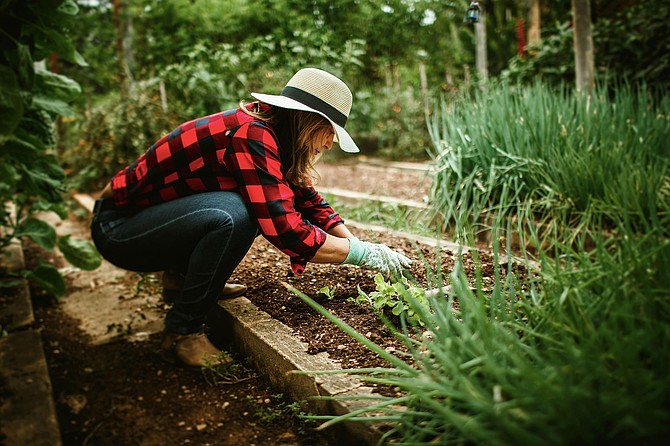
If you happened to glance up to the sky last night, you would have noticed that the Moon was missing. That’s because the New Moon has arrived. Traditionally, that means it's a good time to start your summer garden. While the Moon’s gravitational pull famously affects the ocean’s tides, the New Moon's gravitational pull is thought to draw moisture to the surface of the soil and so promote seed germination and the healthy root growth. If that's true, it's a good time for planting leafy greens such as lettuce, spinach, and also broccoli, cauliflower, and peas. Certain herbs such as peppermint and rosemary are also thought to benefit from the New Moon.
As the Moon begins its waxing phase, plant your annual flowers and those fruits and vegetables that bear their harvest above ground — such as corn, tomatoes, watermelon, and zucchini. (Waxing means the Moon is going from new to full.) As the quantity of moonlight increases with each passing night, plants are encouraged to grow leaves and stems.
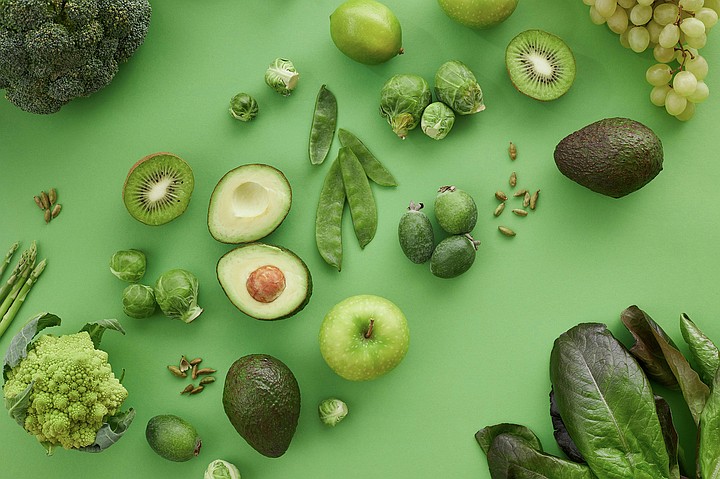
Then, after the Moon becomes full and begins its waning phase, plant flowering bulbs, biennial and perennial flowers, and vegetables that bear their harvest below ground — such as carrots, onions, and potatoes. As the quantity of moonlight decreases, plants are encouraged to grow roots, tubers, and bulbs.
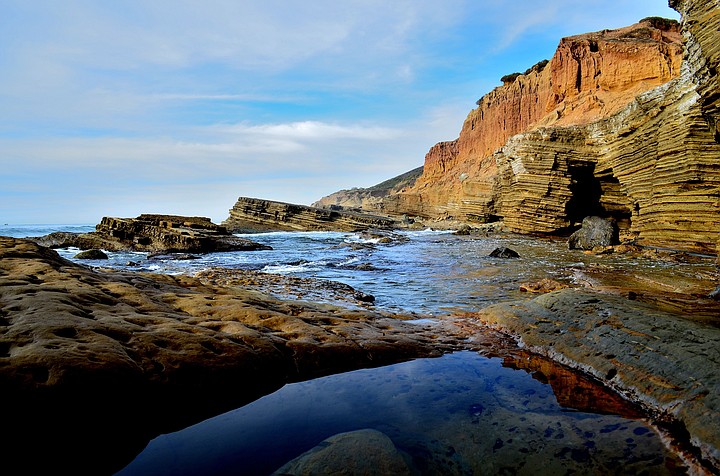
High tide approaching in at Cabrillo Monument's Tide Pools in Point Loma.
Some extremely high and low tides, associated with the New Moon, will occur Monday (today), Tuesday and Wednesday. On Monday at 10:19 pm, the tide reaches an extreme height of 7.1 feet, followed by a low of -1.8 feet Tuesday morning at 5:27 am. Tuesday’s highest tide of 6.9 feet occurs at 11:00 pm and again, is followed by a low tide of -1.5 feet Wednesday morning at 6:22 am. You may get some access to coastal tidepools during these low tides if you don't mind getting up early.
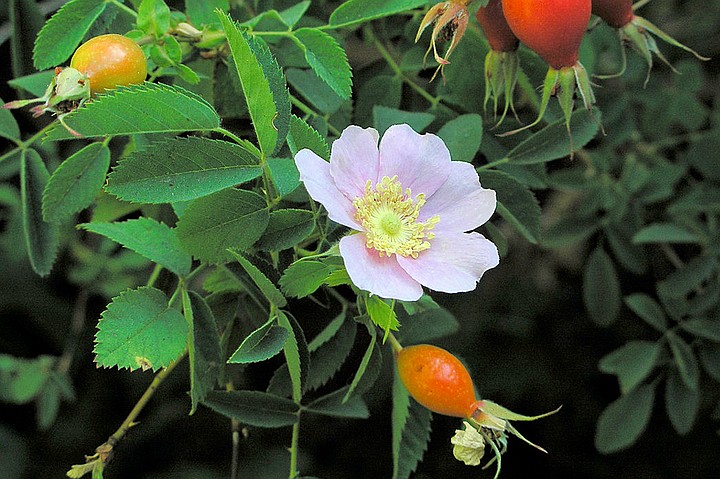
California Wild Rose (Rosa Californica) can survive drought conditions but thrives in moist soil close to water.
Wild Rose, a California native, is in bloom in San Diego County’s foothills and mountains. In moist, lowland areas and along small watercourses, wild rose shows off small, fluorescent-pink flowers. By June and July, the rose bloom will reach the Laguna Mountains, where the plant grows in abundance in shady locales.
Here's something you might be interested in.
Planting your garden by the moon's phases, new moon brings extremely high tides
Wild rose begins to bloom in our local mountains

Planting your garden by the moon's phases, new moon brings extremely high tides
Wild rose begins to bloom in our local mountains
If you happened to glance up to the sky last night, you would have noticed that the Moon was missing. That’s because the New Moon has arrived. Traditionally, that means it's a good time to start your summer garden. While the Moon’s gravitational pull famously affects the ocean’s tides, the New Moon's gravitational pull is thought to draw moisture to the surface of the soil and so promote seed germination and the healthy root growth. If that's true, it's a good time for planting leafy greens such as lettuce, spinach, and also broccoli, cauliflower, and peas. Certain herbs such as peppermint and rosemary are also thought to benefit from the New Moon.
As the Moon begins its waxing phase, plant your annual flowers and those fruits and vegetables that bear their harvest above ground — such as corn, tomatoes, watermelon, and zucchini. (Waxing means the Moon is going from new to full.) As the quantity of moonlight increases with each passing night, plants are encouraged to grow leaves and stems.
Then, after the Moon becomes full and begins its waning phase, plant flowering bulbs, biennial and perennial flowers, and vegetables that bear their harvest below ground — such as carrots, onions, and potatoes. As the quantity of moonlight decreases, plants are encouraged to grow roots, tubers, and bulbs.
High tide approaching in at Cabrillo Monument's Tide Pools in Point Loma.
Some extremely high and low tides, associated with the New Moon, will occur Monday (today), Tuesday and Wednesday. On Monday at 10:19 pm, the tide reaches an extreme height of 7.1 feet, followed by a low of -1.8 feet Tuesday morning at 5:27 am. Tuesday’s highest tide of 6.9 feet occurs at 11:00 pm and again, is followed by a low tide of -1.5 feet Wednesday morning at 6:22 am. You may get some access to coastal tidepools during these low tides if you don't mind getting up early.
California Wild Rose (Rosa Californica) can survive drought conditions but thrives in moist soil close to water.
Wild Rose, a California native, is in bloom in San Diego County’s foothills and mountains. In moist, lowland areas and along small watercourses, wild rose shows off small, fluorescent-pink flowers. By June and July, the rose bloom will reach the Laguna Mountains, where the plant grows in abundance in shady locales.
Comments