

Here's something you might be interested in.
Ask a Hipster — Advice you didn't know you needed
Big Screen — Movie commentary
Blurt — Music's inside track
Booze News — San Diego spirits
Classical Music — Immortal beauty
Classifieds — Free and easy
Close to Home — What it’s like on the street where you live
Cover Stories — Front-page features
Drinks All Around — Bartenders' drink recipes
Excerpts — Literary and spiritual excerpts
Feast! — Food & drink reviews
Feature Stories — Local news & stories
Fishing Report — What’s getting hooked from ship and shore
From the Archives — Spotlight on the past
Golden Dreams — Talk of the town
The Gonzo Report — Making the musical scene, or at least reporting from it
Letters — Our inbox
Movies@Home — Local movie buffs share favorites
Movie Reviews — Our critics' picks and pans
Musician Interviews — Up close with local artists
Neighborhood News from Stringers — Hyperlocal news
News Ticker — News & politics
Obermeyer — San Diego politics illustrated
Outdoors — Weekly changes in flora and fauna
Overheard in San Diego — Eavesdropping illustrated
Poetry — The old and the new
Reader Travel — Travel section built by travelers
Reading — The hunt for intellectuals
Roam-O-Rama — SoCal's best hiking/biking trails
San Diego Beer — Inside San Diego suds
SD on the QT — Almost factual news
Sheep and Goats — Places of worship
Special Issues — The best of
Street Style — San Diego streets have style
Surf Diego — Real stories from those braving the waves
Theater — On stage in San Diego this week
Tin Fork — Silver spoon alternative
Under the Radar — Matt Potter's undercover work
Unforgettable — Long-ago San Diego
Unreal Estate — San Diego's priciest pads
Your Week — Daily event picks
The Cali Wellness Reset: New Rules for Feeling Good in 2025
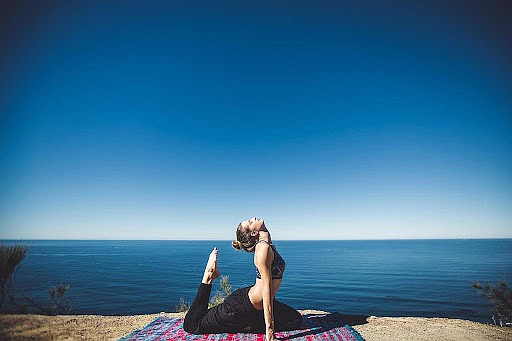
Wellness in San Diego used to mean sunrise runs along Mission Bay, post-yoga smoothies and protein pancakes, and the occasional sound bath meditation retreat. And while that version is still around, 2025 has ushered in a new wave of wellness less obsessed with perfection, and more attuned to pleasure, softness, and personal mental health. From AI-assisted reflection groups to joy-based metrics, here are the new rules reshaping what it means to feel good.
Radical Self-Love Is the New Entry Point
Radical self‑love, coined by Sonya Renee Taylor, founder of The Body Is Not An Apology, isn’t about reaching a self‑help ideal. Instead, it’s about reclaiming our inherent worthiness in a world built on shame and hierarchy. Taylor frames it as a revolutionary act: a foundational belief in being enough, regardless of beauty norms or systemic oppression.
In practice, it means choosing tenderness over self-judgment: speaking kindly to yourself, setting boundaries, and opting for rest over overdrive. The payoff isn’t just less burnout; it’s a deeper connection to others and a more grounded, resilient sense of self. It’s the new wellness philosophy that radiates outward rather than demanding constant optimization.
Healthy Doesn’t Mean Zero Fun
For too long, “healthy” meant clean eating, dry months, and white-knuckle restraint. But in 2025, wellness is reconnecting with joy. Laughter, community, and pleasure are now considered biologically restorative. Studies show that social bonding and low-stakes leisure lower cortisol and boost serotonin levels, making fun part of the prescription.
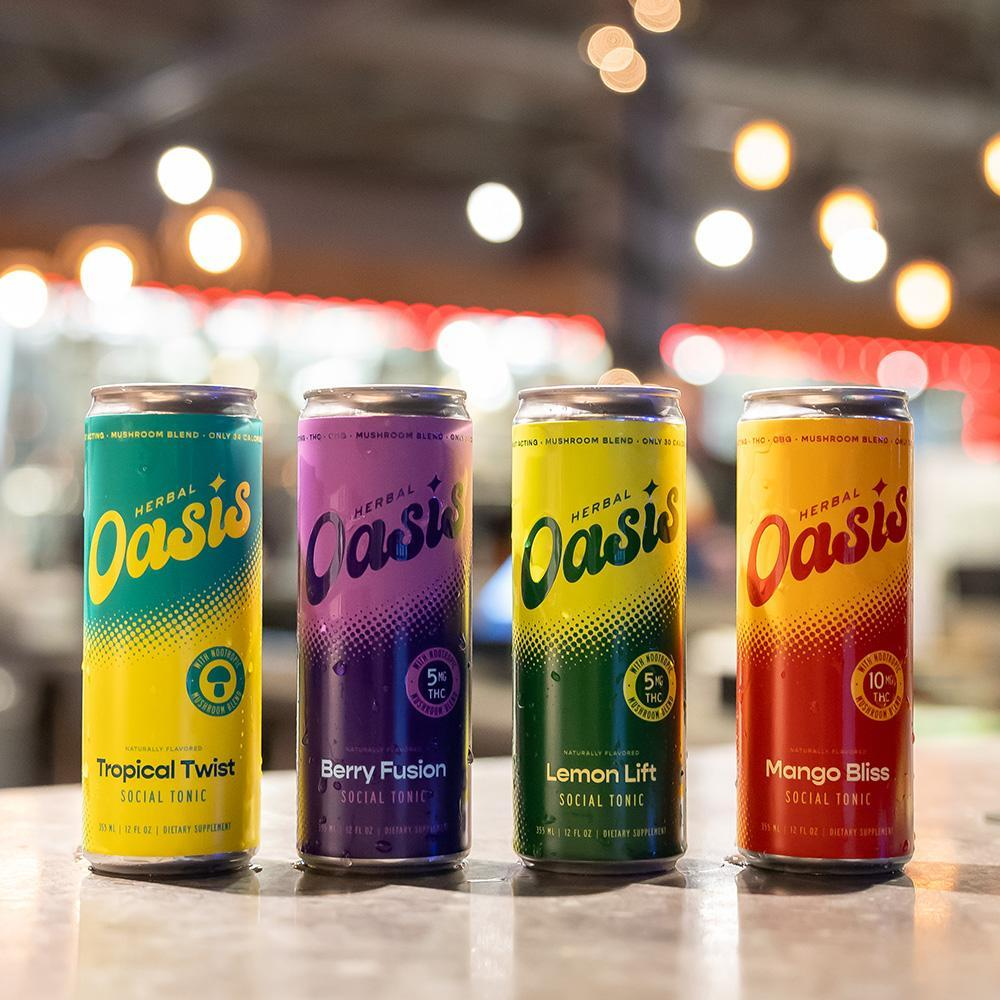
For those rethinking their relationship with alcohol, non-intoxicating drink alternatives are flooding the market. Light CBD beverages like cbdMD’s Herbal Oasis Social Tonics offer a social ritual without the hangover, helping people relax and unwind, not numb or disconnected.
Sleep Is Sacred
Sleep isn’t just downtime anymore. It has become a performance metric, a hormone regulator, and a mental health linchpin. The wellness-minded are treating sleep like a daily ceremony, enhancing it with light therapy, airflow optimization, and scent rituals.
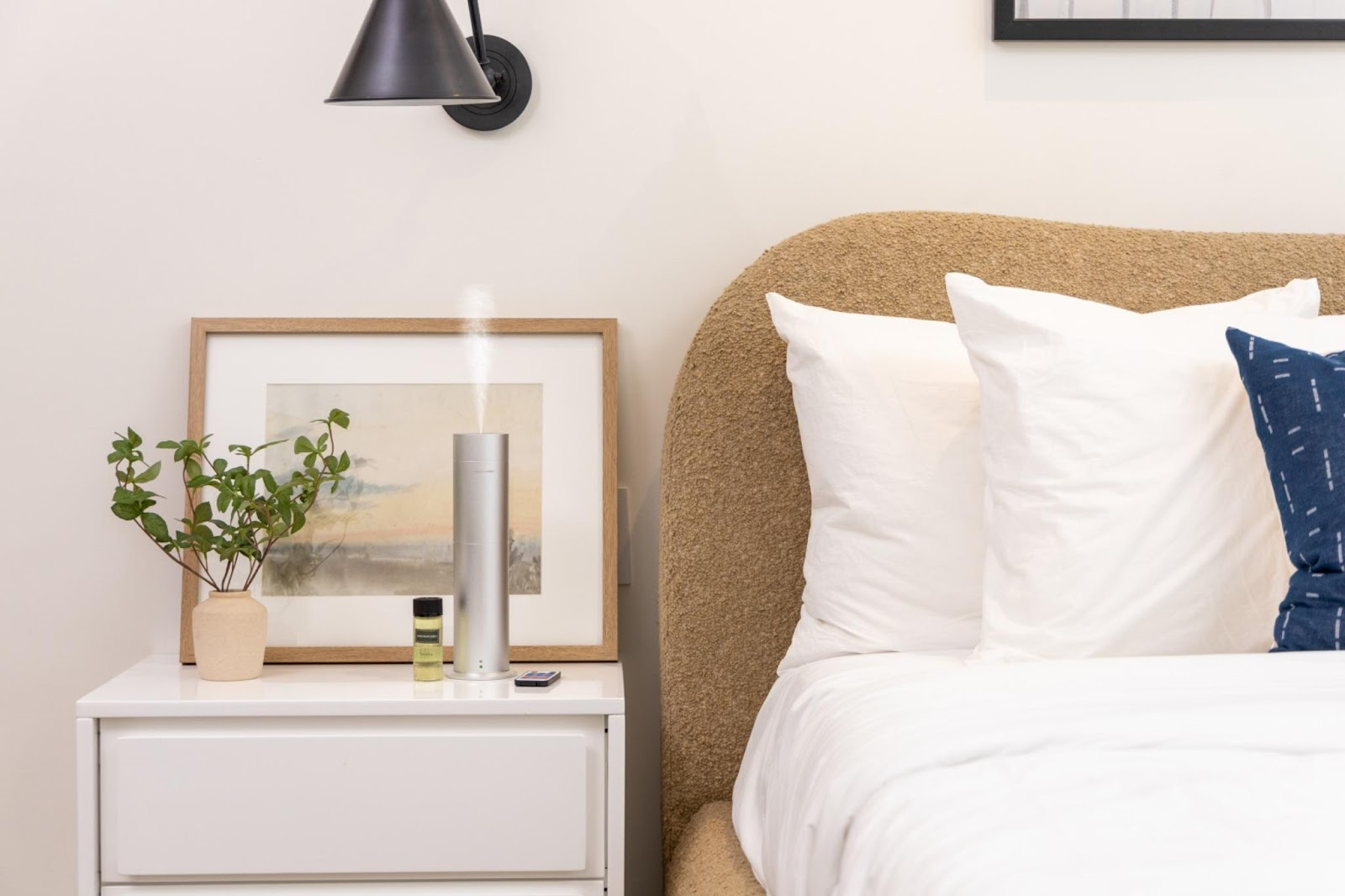
And it’s not all high-end tech. Sometimes it starts with a better pillow. Side sleepers especially are praising designs like the Pillow Cube, engineered for neck alignment and deeper rest. Others rely on calming scents and diffusers you can control with a click of a remote, like those from Aroma360, to set the nighttime tone. Though the point isn’t loading up on products; it’s treating sleep as active recovery and not just passive rest.
Aging Is Empowerment, Not Decline
The narrative is shifting from anti-aging to age adaptation. Instead of erasing the signs of time, more people in California’s wellness world are focusing on function and vitality. That includes optimizing hormones, maintaining strength, and supporting cognition—not chasing youth, but preparing for longevity.
This is wellness as resistance to decline, not denial. Tools like strength training protocols, hormone-aware nutrition, and yes, performance-focused supplements (like those from brands such as 21 Again) are part of the new mindset: show up strong, grounded, and better equipped for the next chapter without the desperation to relive the last one.
AI‑Generated Wellness Gets Personal
Forget the one‑size‑fits‑all fitness plans and vague supplement recs. In 2025, AI tools are acting more like health collaborators, helping people understand their own biology in unprecedented ways. With machine learning powering everything from macro tracking to sleep optimization, wellness is becoming more data‑informed and more deeply personalized.
What used to take trial-and-error over months can now be simulated and adjusted instantly: an algorithm that learns your deficiencies, your cycle, your triggers, and your goals, then adapts accordingly. Tools like Cronometer and others are no longer niche, they’re a glimpse into a future where wellness responds in real-time, not just after symptoms arise.
Digital Nutrition Is the New Detox
Rather than taking periodic digital fasts, many are opting for a mindful media diet. Think of it as calorie counting for your content feed. Just like junk food affects your gut, mindless scrolling impacts your nervous system. “Digital nutrition” is the rising philosophy of curated inputs, screen boundaries, and emotional check-ins.
Movement Is Life — But It Doesn’t Have to Hurt
The old model of movement as punishment is fading. In its place? A more expansive, joyful definition of what it means to move. Meetings on a stationary bike, trampoline breaks, evening dance sessions, and hobby-based play are now part of the wellness mix. No need to obsess about reps, sets, and soreness.
We now understand that any intentional movement nourishes both body and brain, from lymphatic flow and endorphin release to improved focus and emotional resilience. That’s why the new fitness culture includes everything from off-road e-biking (hello, Bakcou) to backyard Spikeball games with friends, to strength routines you can do in your garage with Nike Strength’s compact home gym gear.
It’s not about crushing it every day. It’s about moving in a way that you’ll want to repeat tomorrow.
Gut-Brain-Skin Health Is the New Holy Trinity
We’ve known the gut influences mood and immunity. But now, the link between your gut, your brain, and your skin is being taken seriously in both medical and mainstream circles. This triad affects everything from anxiety and acne to energy and inflammation.
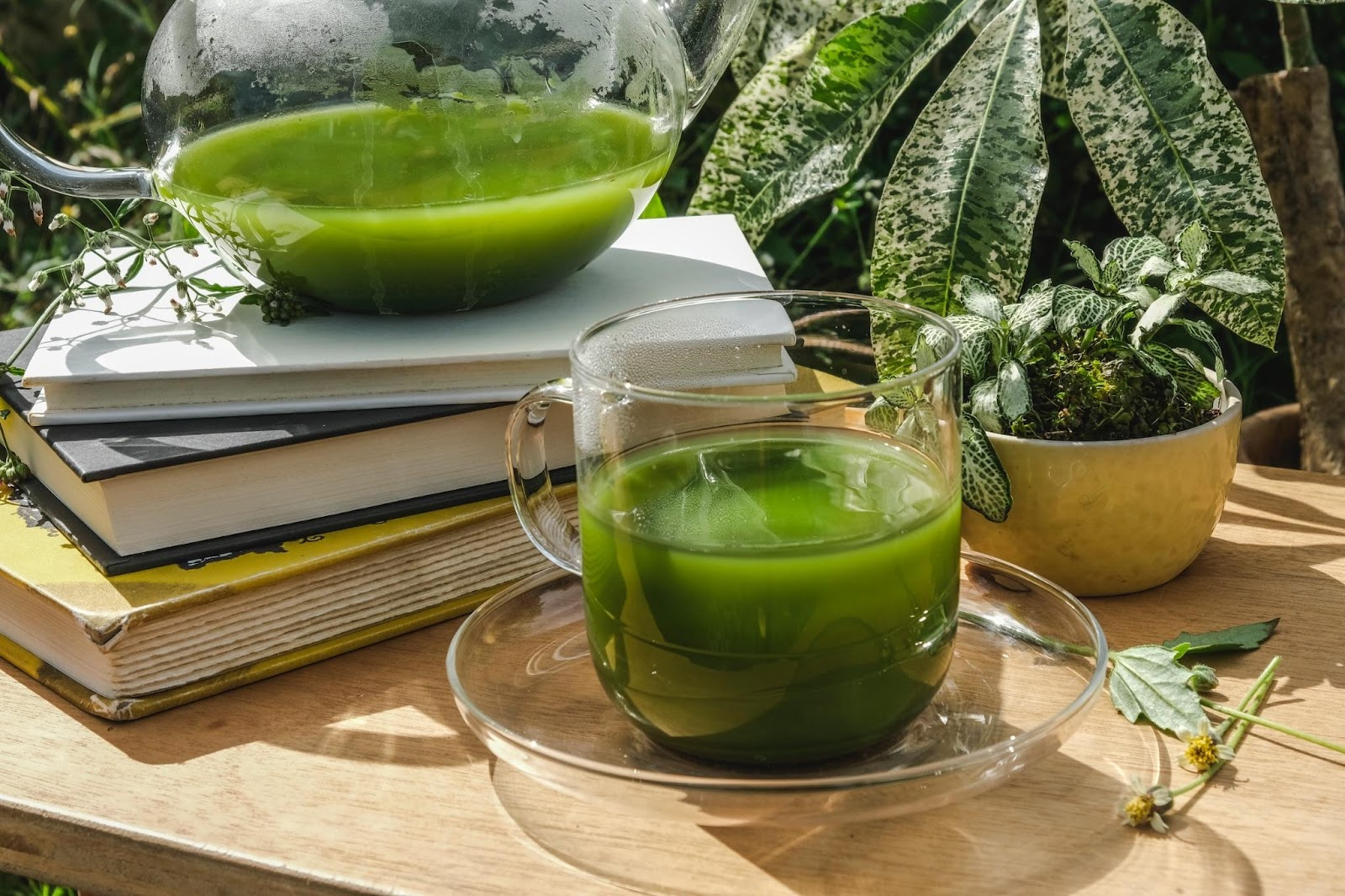
In 2025, the trend is moving past probiotics into targeted foods and ingredients that support all three systems at once—think high-protein, low-carb wraps from Egglife that don’t spike blood sugar; quality meats from reliable sources like those delivered by Meat N’ Bone; and coffees roasted to perfection (try Fresh Roasted Coffee) or ceremonial-grade matcha from Japan (get it at Matcha.com). The approach? Treat your gut like it’s the starting point for everything else because it is.
Clean Air, Clear Mind
We often focus on what we put into our bodies, but what we breathe matters just as much, especially in coastal cities where salt air meets city smog and seasonal allergens. Indoor air can be 2–5 times more polluted than outdoor air, which impacts everything from sleep to focus to skin.
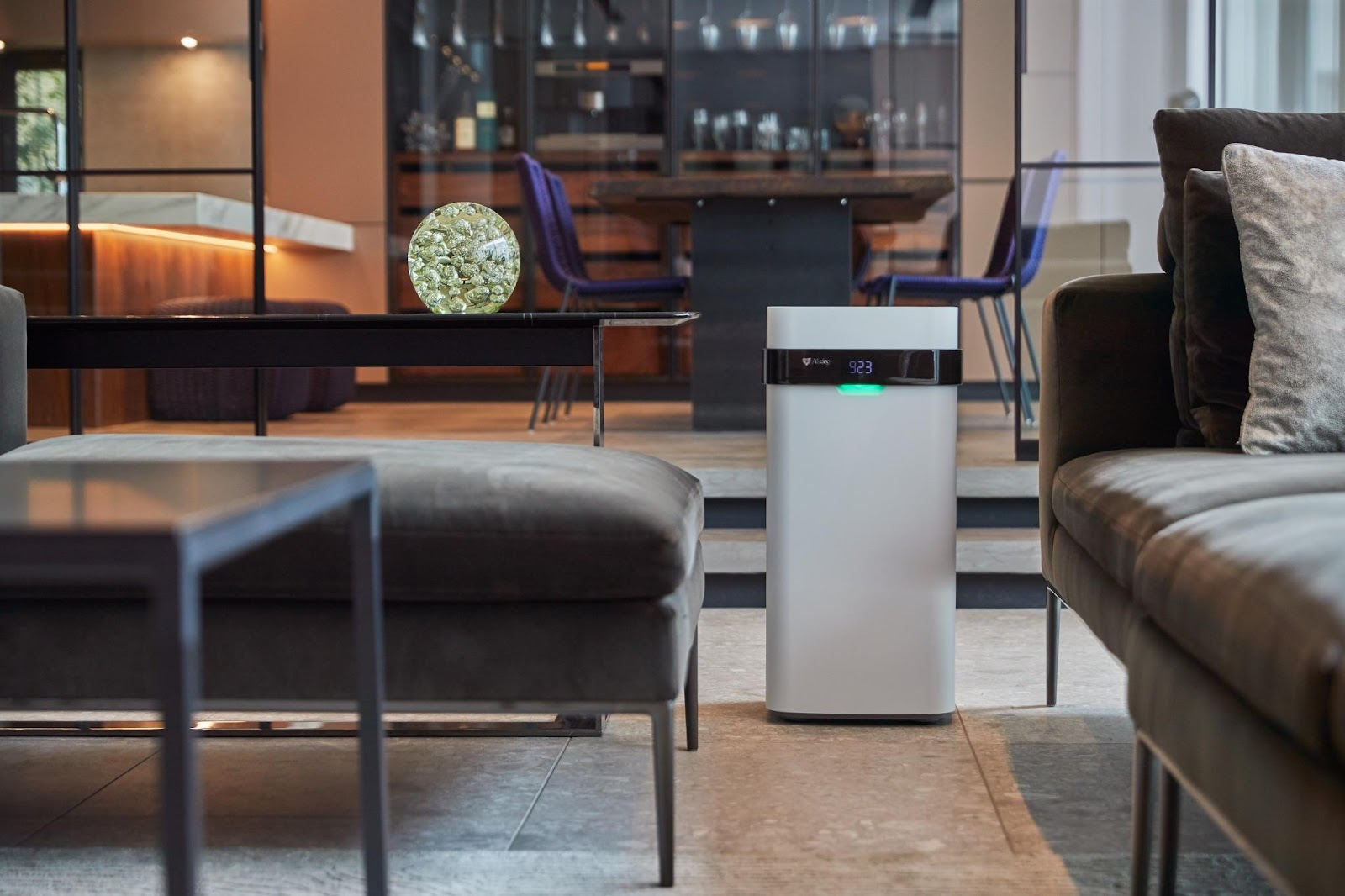
The shift toward air-quality wellness is real. Alongside houseplants and ventilation hacks, people are now investing in smarter filtration. Air purifiers by Airdog use advanced ionization to remove viruses, allergens, and airborne toxins. In today’s evolving wellness scene, where the home is both sanctuary and studio, breathing clean has become non-negotiable.
Emotional Healing Goes Collective
Mental health care is no longer confined to solo therapy or crisis moments. Emotional support is becoming communal. We all share a responsibility to be both mentally healthy and a source of support to those around us. Group sessions, somatic circles, and guided share spaces are creating a sense of connection that’s as therapeutic as the content itself.
Whether it’s sound-led emotional release, AI-assisted reflection groups, or just movie night with the girls and a pint of Cold Case Ice Cream, the movement toward leaning on community over isolation is gaining real momentum. People are learning that being listened to and accepted can be just as healing as being advised. In a city that values ease and openness, this kind of honest presence might be the most meaningful wellness shift of all.
So, What Does Feeling Good Look Like Now?
2025’s wellness reset isn’t about more products, more tracking, or more hustle. It’s about less pressure and more presence. The trends point toward a culture that values personalization over perfection, softness over optimization, and community over isolation.
Whether you’re embracing AI insights or practicing stillness on your couch, the new rulebook reminds us: wellness is not a performance. It’s a healthy relationship with your body, the world, and the people around you.
Here's something you might be interested in.
The Cali Wellness Reset: New Rules for Feeling Good in 2025

The Cali Wellness Reset: New Rules for Feeling Good in 2025
Wellness in San Diego used to mean sunrise runs along Mission Bay, post-yoga smoothies and protein pancakes, and the occasional sound bath meditation retreat. And while that version is still around, 2025 has ushered in a new wave of wellness less obsessed with perfection, and more attuned to pleasure, softness, and personal mental health. From AI-assisted reflection groups to joy-based metrics, here are the new rules reshaping what it means to feel good.
Radical Self-Love Is the New Entry Point
Radical self‑love, coined by Sonya Renee Taylor, founder of The Body Is Not An Apology, isn’t about reaching a self‑help ideal. Instead, it’s about reclaiming our inherent worthiness in a world built on shame and hierarchy. Taylor frames it as a revolutionary act: a foundational belief in being enough, regardless of beauty norms or systemic oppression.
In practice, it means choosing tenderness over self-judgment: speaking kindly to yourself, setting boundaries, and opting for rest over overdrive. The payoff isn’t just less burnout; it’s a deeper connection to others and a more grounded, resilient sense of self. It’s the new wellness philosophy that radiates outward rather than demanding constant optimization.
Healthy Doesn’t Mean Zero Fun
For too long, “healthy” meant clean eating, dry months, and white-knuckle restraint. But in 2025, wellness is reconnecting with joy. Laughter, community, and pleasure are now considered biologically restorative. Studies show that social bonding and low-stakes leisure lower cortisol and boost serotonin levels, making fun part of the prescription.
For those rethinking their relationship with alcohol, non-intoxicating drink alternatives are flooding the market. Light CBD beverages like cbdMD’s Herbal Oasis Social Tonics offer a social ritual without the hangover, helping people relax and unwind, not numb or disconnected.
Sleep Is Sacred
Sleep isn’t just downtime anymore. It has become a performance metric, a hormone regulator, and a mental health linchpin. The wellness-minded are treating sleep like a daily ceremony, enhancing it with light therapy, airflow optimization, and scent rituals.
And it’s not all high-end tech. Sometimes it starts with a better pillow. Side sleepers especially are praising designs like the Pillow Cube, engineered for neck alignment and deeper rest. Others rely on calming scents and diffusers you can control with a click of a remote, like those from Aroma360, to set the nighttime tone. Though the point isn’t loading up on products; it’s treating sleep as active recovery and not just passive rest.
Aging Is Empowerment, Not Decline
The narrative is shifting from anti-aging to age adaptation. Instead of erasing the signs of time, more people in California’s wellness world are focusing on function and vitality. That includes optimizing hormones, maintaining strength, and supporting cognition—not chasing youth, but preparing for longevity.
This is wellness as resistance to decline, not denial. Tools like strength training protocols, hormone-aware nutrition, and yes, performance-focused supplements (like those from brands such as 21 Again) are part of the new mindset: show up strong, grounded, and better equipped for the next chapter without the desperation to relive the last one.
AI‑Generated Wellness Gets Personal
Forget the one‑size‑fits‑all fitness plans and vague supplement recs. In 2025, AI tools are acting more like health collaborators, helping people understand their own biology in unprecedented ways. With machine learning powering everything from macro tracking to sleep optimization, wellness is becoming more data‑informed and more deeply personalized.
What used to take trial-and-error over months can now be simulated and adjusted instantly: an algorithm that learns your deficiencies, your cycle, your triggers, and your goals, then adapts accordingly. Tools like Cronometer and others are no longer niche, they’re a glimpse into a future where wellness responds in real-time, not just after symptoms arise.
Digital Nutrition Is the New Detox
Rather than taking periodic digital fasts, many are opting for a mindful media diet. Think of it as calorie counting for your content feed. Just like junk food affects your gut, mindless scrolling impacts your nervous system. “Digital nutrition” is the rising philosophy of curated inputs, screen boundaries, and emotional check-ins.
Movement Is Life — But It Doesn’t Have to Hurt
The old model of movement as punishment is fading. In its place? A more expansive, joyful definition of what it means to move. Meetings on a stationary bike, trampoline breaks, evening dance sessions, and hobby-based play are now part of the wellness mix. No need to obsess about reps, sets, and soreness.
We now understand that any intentional movement nourishes both body and brain, from lymphatic flow and endorphin release to improved focus and emotional resilience. That’s why the new fitness culture includes everything from off-road e-biking (hello, Bakcou) to backyard Spikeball games with friends, to strength routines you can do in your garage with Nike Strength’s compact home gym gear.
It’s not about crushing it every day. It’s about moving in a way that you’ll want to repeat tomorrow.
Gut-Brain-Skin Health Is the New Holy Trinity
We’ve known the gut influences mood and immunity. But now, the link between your gut, your brain, and your skin is being taken seriously in both medical and mainstream circles. This triad affects everything from anxiety and acne to energy and inflammation.
In 2025, the trend is moving past probiotics into targeted foods and ingredients that support all three systems at once—think high-protein, low-carb wraps from Egglife that don’t spike blood sugar; quality meats from reliable sources like those delivered by Meat N’ Bone; and coffees roasted to perfection (try Fresh Roasted Coffee) or ceremonial-grade matcha from Japan (get it at Matcha.com). The approach? Treat your gut like it’s the starting point for everything else because it is.
Clean Air, Clear Mind
We often focus on what we put into our bodies, but what we breathe matters just as much, especially in coastal cities where salt air meets city smog and seasonal allergens. Indoor air can be 2–5 times more polluted than outdoor air, which impacts everything from sleep to focus to skin.
The shift toward air-quality wellness is real. Alongside houseplants and ventilation hacks, people are now investing in smarter filtration. Air purifiers by Airdog use advanced ionization to remove viruses, allergens, and airborne toxins. In today’s evolving wellness scene, where the home is both sanctuary and studio, breathing clean has become non-negotiable.
Emotional Healing Goes Collective
Mental health care is no longer confined to solo therapy or crisis moments. Emotional support is becoming communal. We all share a responsibility to be both mentally healthy and a source of support to those around us. Group sessions, somatic circles, and guided share spaces are creating a sense of connection that’s as therapeutic as the content itself.
Whether it’s sound-led emotional release, AI-assisted reflection groups, or just movie night with the girls and a pint of Cold Case Ice Cream, the movement toward leaning on community over isolation is gaining real momentum. People are learning that being listened to and accepted can be just as healing as being advised. In a city that values ease and openness, this kind of honest presence might be the most meaningful wellness shift of all.
So, What Does Feeling Good Look Like Now?
2025’s wellness reset isn’t about more products, more tracking, or more hustle. It’s about less pressure and more presence. The trends point toward a culture that values personalization over perfection, softness over optimization, and community over isolation.
Whether you’re embracing AI insights or practicing stillness on your couch, the new rulebook reminds us: wellness is not a performance. It’s a healthy relationship with your body, the world, and the people around you.
Comments
Members of the editorial staff of San Diego Reader were not involved in the creation of this content.