

Here's something you might be interested in.
Ask a Hipster — Advice you didn't know you needed
Big Screen — Movie commentary
Blurt — Music's inside track
Booze News — San Diego spirits
Classical Music — Immortal beauty
Classifieds — Free and easy
Close to Home — What it’s like on the street where you live
Cover Stories — Front-page features
Drinks All Around — Bartenders' drink recipes
Excerpts — Literary and spiritual excerpts
Feast! — Food & drink reviews
Feature Stories — Local news & stories
Fishing Report — What’s getting hooked from ship and shore
From the Archives — Spotlight on the past
Golden Dreams — Talk of the town
The Gonzo Report — Making the musical scene, or at least reporting from it
Letters — Our inbox
Movies@Home — Local movie buffs share favorites
Movie Reviews — Our critics' picks and pans
Musician Interviews — Up close with local artists
Neighborhood News from Stringers — Hyperlocal news
News Ticker — News & politics
Obermeyer — San Diego politics illustrated
Outdoors — Weekly changes in flora and fauna
Overheard in San Diego — Eavesdropping illustrated
Poetry — The old and the new
Reader Travel — Travel section built by travelers
Reading — The hunt for intellectuals
Roam-O-Rama — SoCal's best hiking/biking trails
San Diego Beer — Inside San Diego suds
SD on the QT — Almost factual news
Sheep and Goats — Places of worship
Special Issues — The best of
Street Style — San Diego streets have style
Surf Diego — Real stories from those braving the waves
Theater — On stage in San Diego this week
Tin Fork — Silver spoon alternative
Under the Radar — Matt Potter's undercover work
Unforgettable — Long-ago San Diego
Unreal Estate — San Diego's priciest pads
Your Week — Daily event picks
San Diego wants to cut poverty tows
Will the city lose more tow money? Will streets fill up with untowed violators?
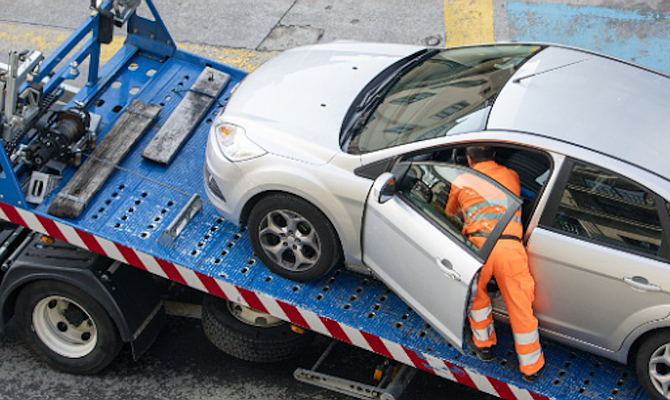
New city policy is to issue citations, rather than to tow vehicles with registrations expired.
Many low-income and unhoused San Diegans whose cars have been towed by the city have ended up losing their means of transportation — and sometimes, their homes.
A 2022 performance audit of the city’s towing program found the top reasons for towing were expired registration over six months, unpaid tickets, and 72-hour parking violations. These are all known as “poverty tows," because they’re three to five times more likely to result in a lien sale.
Each year, the San Diego Police Department authorizes the towing of approximately 20,000 vehicles, and while the number of overall tows has decreased, the number of these “disproportionate impact tows” has not.
Now the city is looking at ways to reduce unfair towing, even as a towing fee increase approved in March may lead to more lien sales as vehicle owners face hefty debts.
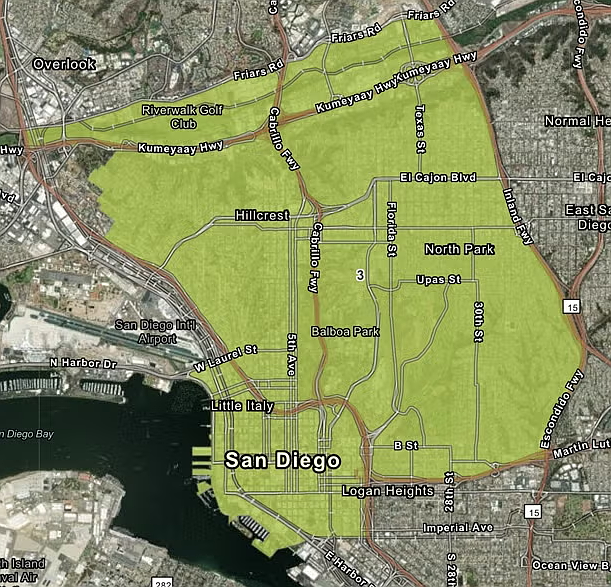
The area with the most tows — 4344 — is District Three.
On November 12, the public safety committee will vote to adopt changes to the city policy that has led to a larger share of low-income and unhoused people losing their vehicles. It has also led to the city’s towing program — intended to keep streets clear for public parking and street sweeping — being unable to recover its costs.
The area with the most tows — 4344 — is District Three, which covers Downtown San Diego, Hillcrest, North Park, Balboa Park, Bankers Hill, Mission Hills, University Heights, and Normal Heights. District Eight neighborhoods such as Barrio Logan, San Ysidro, and Otay Mesa were next, with 2992 tows.
To reduce poverty tows, the amendments will state that the city's policy is to issue citations (rather than to tow) for vehicles with registrations expired for more than six months.
Currently, the city offers a low-income payment plan for parking citations — but not for towing. As of July 1, 2025, the city’s total impound fees are $250. That’s not counting whatever fees the towing company tacks on, which can include storage, after-hours pickup, administrative and processing fees, and even clean-up charges.
Other proposed changes would require the San Diego Police Department, which oversees the towing program, to report on its performance at least once every three years, including the total number of tows and vehicles sold via lien sales, all broken out by tow reason.
To follow up on how well the amendments are working, the committee will receive a report from the office of the independent budget analyst before the end of fiscal year 2027.
In past years, the towing program’s income from administrative fees fell far short of covering its labor costs. (Compared with four other local jurisdictions, the city’s towing and storage rates are the lowest, a city report says.) Despite auctioning thousands of vehicles, the city loses $1.5 million per year on the program. And lien sales recover only a fraction of the costs.
According to the IBA office, the amendments could help. Possible benefits to the city could be officers spending less time waiting for tow trucks and an easier task of collecting citation revenue, compared to impound fees. Towing fee hikes the city council approved in March are another way to scrape back funds for the program. The office also believes the tow fee increases totaling an additional $104 payments could result in an increase in lien sales due to the larger amount owed by the vehicle owner.
Here's something you might be interested in.
San Diego wants to cut poverty tows
Will the city lose more tow money? Will streets fill up with untowed violators?

San Diego wants to cut poverty tows
Will the city lose more tow money? Will streets fill up with untowed violators?
New city policy is to issue citations, rather than to tow vehicles with registrations expired.
Many low-income and unhoused San Diegans whose cars have been towed by the city have ended up losing their means of transportation — and sometimes, their homes.
A 2022 performance audit of the city’s towing program found the top reasons for towing were expired registration over six months, unpaid tickets, and 72-hour parking violations. These are all known as “poverty tows," because they’re three to five times more likely to result in a lien sale.
Each year, the San Diego Police Department authorizes the towing of approximately 20,000 vehicles, and while the number of overall tows has decreased, the number of these “disproportionate impact tows” has not.
Now the city is looking at ways to reduce unfair towing, even as a towing fee increase approved in March may lead to more lien sales as vehicle owners face hefty debts.
The area with the most tows — 4344 — is District Three.
On November 12, the public safety committee will vote to adopt changes to the city policy that has led to a larger share of low-income and unhoused people losing their vehicles. It has also led to the city’s towing program — intended to keep streets clear for public parking and street sweeping — being unable to recover its costs.
The area with the most tows — 4344 — is District Three, which covers Downtown San Diego, Hillcrest, North Park, Balboa Park, Bankers Hill, Mission Hills, University Heights, and Normal Heights. District Eight neighborhoods such as Barrio Logan, San Ysidro, and Otay Mesa were next, with 2992 tows.
To reduce poverty tows, the amendments will state that the city's policy is to issue citations (rather than to tow) for vehicles with registrations expired for more than six months.
Currently, the city offers a low-income payment plan for parking citations — but not for towing. As of July 1, 2025, the city’s total impound fees are $250. That’s not counting whatever fees the towing company tacks on, which can include storage, after-hours pickup, administrative and processing fees, and even clean-up charges.
Other proposed changes would require the San Diego Police Department, which oversees the towing program, to report on its performance at least once every three years, including the total number of tows and vehicles sold via lien sales, all broken out by tow reason.
To follow up on how well the amendments are working, the committee will receive a report from the office of the independent budget analyst before the end of fiscal year 2027.
In past years, the towing program’s income from administrative fees fell far short of covering its labor costs. (Compared with four other local jurisdictions, the city’s towing and storage rates are the lowest, a city report says.) Despite auctioning thousands of vehicles, the city loses $1.5 million per year on the program. And lien sales recover only a fraction of the costs.
According to the IBA office, the amendments could help. Possible benefits to the city could be officers spending less time waiting for tow trucks and an easier task of collecting citation revenue, compared to impound fees. Towing fee hikes the city council approved in March are another way to scrape back funds for the program. The office also believes the tow fee increases totaling an additional $104 payments could result in an increase in lien sales due to the larger amount owed by the vehicle owner.