

Here's something you might be interested in.
Ask a Hipster — Advice you didn't know you needed
Big Screen — Movie commentary
Blurt — Music's inside track
Booze News — San Diego spirits
Classical Music — Immortal beauty
Classifieds — Free and easy
Close to Home — What it’s like on the street where you live
Cover Stories — Front-page features
Drinks All Around — Bartenders' drink recipes
Excerpts — Literary and spiritual excerpts
Feast! — Food & drink reviews
Feature Stories — Local news & stories
Fishing Report — What’s getting hooked from ship and shore
From the Archives — Spotlight on the past
Golden Dreams — Talk of the town
The Gonzo Report — Making the musical scene, or at least reporting from it
Letters — Our inbox
Movies@Home — Local movie buffs share favorites
Movie Reviews — Our critics' picks and pans
Musician Interviews — Up close with local artists
Neighborhood News from Stringers — Hyperlocal news
News Ticker — News & politics
Obermeyer — San Diego politics illustrated
Outdoors — Weekly changes in flora and fauna
Overheard in San Diego — Eavesdropping illustrated
Poetry — The old and the new
Reader Travel — Travel section built by travelers
Reading — The hunt for intellectuals
Roam-O-Rama — SoCal's best hiking/biking trails
San Diego Beer — Inside San Diego suds
SD on the QT — Almost factual news
Sheep and Goats — Places of worship
Special Issues — The best of
Street Style — San Diego streets have style
Surf Diego — Real stories from those braving the waves
Theater — On stage in San Diego this week
Tin Fork — Silver spoon alternative
Under the Radar — Matt Potter's undercover work
Unforgettable — Long-ago San Diego
Unreal Estate — San Diego's priciest pads
Your Week — Daily event picks
The Greatest Piano Music
Beethoven, Chopin, Liszt, Debussy
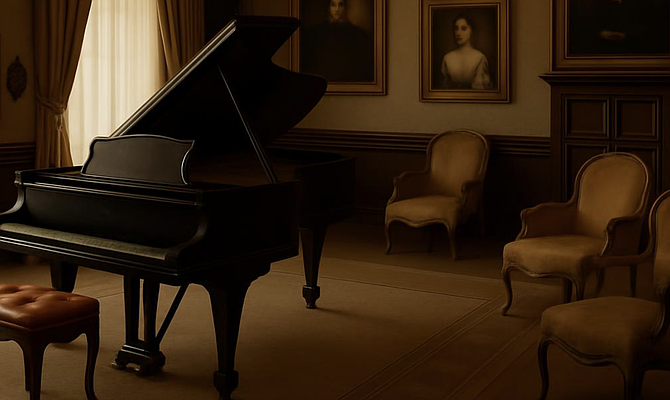
Once upon a time, piano music was the social media of its day. The 19th and early 20th Centuries were the heyday of the piano. It was the primary entertainment for the evening in most middle-class homes. New compositions by leading composers were even recommended as excellent Christmas gifts.
It was a different world. If you wanted to hear a piece of music, you usually had to play it yourself or have a family member give it a go for you. Of course, there were legions of small-time concert pianists who constantly toured, giving performances in both the cities and the rural hamlets.
Since the advent of the recording industry, the piano has been on a slow but steady decline. It is now more of a tool for sharpening the mental abilities of the youth than a form of entertainment.
Let’s take a look at four iconic works that have left an indelible mark on the art of piano performance. These were surely staples of the piano salon.
1. Beethoven’s Piano Sonata No. 14 in C-sharp minor, Op. 27, No. 2 (Moonlight Sonata)
One of Beethoven's most famous compositions, the "Moonlight Sonata," was completed in 1801. Its name, given long after its publication, evokes the serene beauty of moonlit nights. The first movement is particularly renowned for its haunting melody, delivered over a gentle triplet rhythm that suggests, and perhaps even produces, a calming, reflective mood.
As the sonata progresses through its turbulent second movement and the energetic finale, it showcases Beethoven's mastery in balancing lyrical expressiveness with dramatic intensity. This piece has become a staple of the piano repertoire, beloved by performers and audiences alike.
Video:
Beethoven: Moonlight Sonata
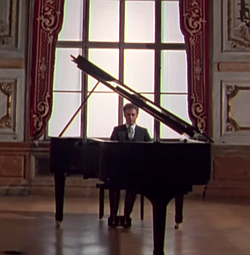
2. Chopin’s Ballade No. 1 in G minor, Op. 23
Frederic Chopin is often deemed the poet of the piano, and his Ballade No. 1 epitomizes this expression. Composed in 1831, this work merges storytelling with brilliant pianistic techniques. The piece opens with a brooding theme that evokes a sense of longing and introspection.
As it unfolds, it transitions into joyful outbursts and virtuosic passages, reflecting a wide range of emotions. The contrasting sections and the interplay between lyrical melodies and vigorous runs make this ballade a tour de force for any pianist. Its dramatic narrative structure invites listeners into a world that is at once personal and universal.
Video:
Chopin: Ballade No. 1
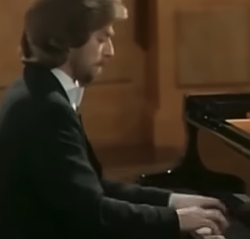
3. Liszt’s Hungarian Rhapsody No. 2 in C-sharp minor
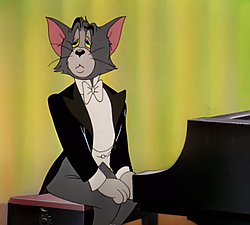
Franz Liszt's Hungarian Rhapsody No. 2, composed in 1847, is one of his most famous works, showcasing his distinctive style and flair for drama. Of course, you might know it from the Tom and Jerry cartoon.
Inspired by Hungarian folk themes, the piece begins with a slow and reflective entrance before erupting into exuberant, fiery passages that demand a high level of technical skill. Franz Liszt was the first superstar pianist, and this piece certainly helped him in securing that status.
Video:
LIzst: Hungarian Rhapsody No. 2
4. Debussy’s Clair de Lune
The final piece is also bathed in moonlight. For the record, moonlight was a big deal to the 19th-century romantics. Johannes Brahms used to schedule moonlight baths to be taken in the woods with his friends.
Clair de Lune, the third movement of Claude Debussy’s Suite Bergamasque, is one of the quintessential impressions of French Romantic music. Finished in 1905, this piece creates a soft, ethereal atmosphere characterized by flowing melodies and nuanced harmonies. Debussy’s ability to evoke imagery through sound makes this work a perennial favorite for performances and recordings. The gentle ebb and flow captures the essence of natural beauty and introspective tranquility, solidifying its status as an enduring classic.
Video:
Debussy: Clair de Lune
Here's something you might be interested in.
The Greatest Piano Music
Beethoven, Chopin, Liszt, Debussy

The Greatest Piano Music
Beethoven, Chopin, Liszt, Debussy
Once upon a time, piano music was the social media of its day. The 19th and early 20th Centuries were the heyday of the piano. It was the primary entertainment for the evening in most middle-class homes. New compositions by leading composers were even recommended as excellent Christmas gifts.
It was a different world. If you wanted to hear a piece of music, you usually had to play it yourself or have a family member give it a go for you. Of course, there were legions of small-time concert pianists who constantly toured, giving performances in both the cities and the rural hamlets.
Since the advent of the recording industry, the piano has been on a slow but steady decline. It is now more of a tool for sharpening the mental abilities of the youth than a form of entertainment.
Let’s take a look at four iconic works that have left an indelible mark on the art of piano performance. These were surely staples of the piano salon.
1. Beethoven’s Piano Sonata No. 14 in C-sharp minor, Op. 27, No. 2 (Moonlight Sonata)
One of Beethoven's most famous compositions, the "Moonlight Sonata," was completed in 1801. Its name, given long after its publication, evokes the serene beauty of moonlit nights. The first movement is particularly renowned for its haunting melody, delivered over a gentle triplet rhythm that suggests, and perhaps even produces, a calming, reflective mood.
As the sonata progresses through its turbulent second movement and the energetic finale, it showcases Beethoven's mastery in balancing lyrical expressiveness with dramatic intensity. This piece has become a staple of the piano repertoire, beloved by performers and audiences alike.
Video:
Beethoven: Moonlight Sonata
2. Chopin’s Ballade No. 1 in G minor, Op. 23
Frederic Chopin is often deemed the poet of the piano, and his Ballade No. 1 epitomizes this expression. Composed in 1831, this work merges storytelling with brilliant pianistic techniques. The piece opens with a brooding theme that evokes a sense of longing and introspection.
As it unfolds, it transitions into joyful outbursts and virtuosic passages, reflecting a wide range of emotions. The contrasting sections and the interplay between lyrical melodies and vigorous runs make this ballade a tour de force for any pianist. Its dramatic narrative structure invites listeners into a world that is at once personal and universal.
Video:
Chopin: Ballade No. 1
3. Liszt’s Hungarian Rhapsody No. 2 in C-sharp minor
Franz Liszt's Hungarian Rhapsody No. 2, composed in 1847, is one of his most famous works, showcasing his distinctive style and flair for drama. Of course, you might know it from the Tom and Jerry cartoon.
Inspired by Hungarian folk themes, the piece begins with a slow and reflective entrance before erupting into exuberant, fiery passages that demand a high level of technical skill. Franz Liszt was the first superstar pianist, and this piece certainly helped him in securing that status.
Video:
LIzst: Hungarian Rhapsody No. 2
4. Debussy’s Clair de Lune
The final piece is also bathed in moonlight. For the record, moonlight was a big deal to the 19th-century romantics. Johannes Brahms used to schedule moonlight baths to be taken in the woods with his friends.
Clair de Lune, the third movement of Claude Debussy’s Suite Bergamasque, is one of the quintessential impressions of French Romantic music. Finished in 1905, this piece creates a soft, ethereal atmosphere characterized by flowing melodies and nuanced harmonies. Debussy’s ability to evoke imagery through sound makes this work a perennial favorite for performances and recordings. The gentle ebb and flow captures the essence of natural beauty and introspective tranquility, solidifying its status as an enduring classic.
Video:
Debussy: Clair de Lune