

Here's something you might be interested in.
Ask a Hipster — Advice you didn't know you needed
Big Screen — Movie commentary
Blurt — Music's inside track
Booze News — San Diego spirits
Classical Music — Immortal beauty
Classifieds — Free and easy
Close to Home — What it’s like on the street where you live
Cover Stories — Front-page features
Drinks All Around — Bartenders' drink recipes
Excerpts — Literary and spiritual excerpts
Feast! — Food & drink reviews
Feature Stories — Local news & stories
Fishing Report — What’s getting hooked from ship and shore
From the Archives — Spotlight on the past
Golden Dreams — Talk of the town
The Gonzo Report — Making the musical scene, or at least reporting from it
Letters — Our inbox
Movies@Home — Local movie buffs share favorites
Movie Reviews — Our critics' picks and pans
Musician Interviews — Up close with local artists
Neighborhood News from Stringers — Hyperlocal news
News Ticker — News & politics
Obermeyer — San Diego politics illustrated
Outdoors — Weekly changes in flora and fauna
Overheard in San Diego — Eavesdropping illustrated
Poetry — The old and the new
Reader Travel — Travel section built by travelers
Reading — The hunt for intellectuals
Roam-O-Rama — SoCal's best hiking/biking trails
San Diego Beer — Inside San Diego suds
SD on the QT — Almost factual news
Sheep and Goats — Places of worship
Special Issues — The best of
Street Style — San Diego streets have style
Surf Diego — Real stories from those braving the waves
Theater — On stage in San Diego this week
Tin Fork — Silver spoon alternative
Under the Radar — Matt Potter's undercover work
Unforgettable — Long-ago San Diego
Unreal Estate — San Diego's priciest pads
Your Week — Daily event picks
For want of a hero
A dearth in football, reflected in opera
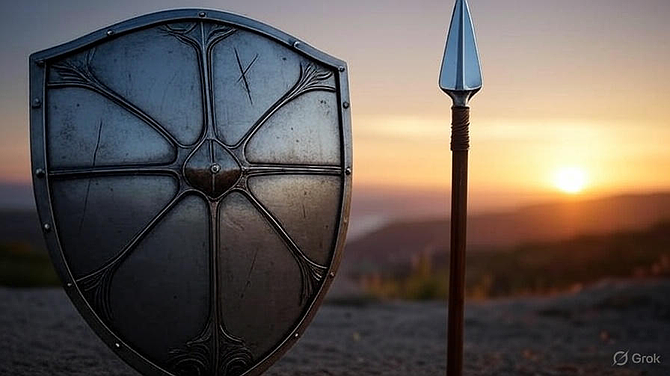
Image created by Grok AI
Here we are, at the end of summer, for all intents and purposes. For me, that means pre-season NFL games. I’m like most NFL fans. I want a hero to arise, usually at the quarterback position, and lead my team to victory. Unfortunately, unless your quarterback’s name is Patrick Mahomes or Tom Brady, your hero has been of late more in line with classical music and opera heroes. You know, flawed and, ultimately, defeated. Let’s take a look at some of these unfortunate souls.
When I think of the heroic in classical music, there’s one piece that immediately comes to mind: Ludwig Beethoven’s Symphony No. 3. You know, the “Eroica." Famously written with Napoleon Bonaparte in mind, Beethoven removed the dedication when Napoleon declared himself Emperor. When Napoleon was First Consul of France, Beethoven considered Napoleon to be a heroic figure who represented the ideals of the French Revolution. Once Napoleon declared the Empire, Beethoven was out. He was a child of The Enlightenment. There was nothing heroic about an emperor in Beethoven’s worldview.
Video:
Beethoven: Symphony No. 3
When I think of operatic heroes, all of them are flawed. I can’t think of one hero who comes through in the clutch and delivers the goods. Perhaps Hans Sachs in Richard Wagner’s Die Meistersinger, but Sachs is more a mentor to the young Walther. What about Walther himself? Ya, maybe. But Walter isn’t a primary character. He’s more of a dramatic device for Eva, the ingénue.
Video:
Wagner: Die Meistersinger von Nürnburg - Finale
The rest of Wagner’s heroes all fall apart. Tannhäuser is a sex addict. Lohengrin just wants to be known for himself, rather than his famous name. Tristan falls for the wrong girl, and Parsifal is more of a holy fool than a hero. Siegmund and Siegfried come close in The Ring Cycle, but ultimately fail.
Let’s take a look at Giuseppe Verdi’s heroes. Otello is, obviously, flawed. I mean, murdering your wife based on hearsay from a dude that you didn’t even trust enough to promote is a serious red flag. Radames in Aida is pretty consistent as a hero. There’s just the little problem of his being buried alive with Aida at the end. Manrico shows a lot of promise in Il Trovatore before he gets beheaded.
Video:
Franco Corelli & Ilva Ligabue & Fiorenza Cossotto La fatal pietra ... O terra addio!
Faust is clearly an anti-hero, as is Don Giovanni. Maybe Tamino in The Magic Flute comes through. I just can’t reconcile myself to a hero playing the flute.
The only piece that I can think of that might be considered heroic without the flaws is Ein Heldenleben by Richard Strauss. This piece is often considered a musical biography of Strauss himself. Declaring oneself a hero doesn’t necessarily work, but if Struass had someone else in mind, then this one is the hero we’ve been waiting for.
Video:
Strauss - Ein Heldenleben - Mariss Jansons
Here's something you might be interested in.
For want of a hero
A dearth in football, reflected in opera

For want of a hero
A dearth in football, reflected in opera
Image created by Grok AI
Here we are, at the end of summer, for all intents and purposes. For me, that means pre-season NFL games. I’m like most NFL fans. I want a hero to arise, usually at the quarterback position, and lead my team to victory. Unfortunately, unless your quarterback’s name is Patrick Mahomes or Tom Brady, your hero has been of late more in line with classical music and opera heroes. You know, flawed and, ultimately, defeated. Let’s take a look at some of these unfortunate souls.
When I think of the heroic in classical music, there’s one piece that immediately comes to mind: Ludwig Beethoven’s Symphony No. 3. You know, the “Eroica." Famously written with Napoleon Bonaparte in mind, Beethoven removed the dedication when Napoleon declared himself Emperor. When Napoleon was First Consul of France, Beethoven considered Napoleon to be a heroic figure who represented the ideals of the French Revolution. Once Napoleon declared the Empire, Beethoven was out. He was a child of The Enlightenment. There was nothing heroic about an emperor in Beethoven’s worldview.
Video:
Beethoven: Symphony No. 3
When I think of operatic heroes, all of them are flawed. I can’t think of one hero who comes through in the clutch and delivers the goods. Perhaps Hans Sachs in Richard Wagner’s Die Meistersinger, but Sachs is more a mentor to the young Walther. What about Walther himself? Ya, maybe. But Walter isn’t a primary character. He’s more of a dramatic device for Eva, the ingénue.
Video:
Wagner: Die Meistersinger von Nürnburg - Finale
The rest of Wagner’s heroes all fall apart. Tannhäuser is a sex addict. Lohengrin just wants to be known for himself, rather than his famous name. Tristan falls for the wrong girl, and Parsifal is more of a holy fool than a hero. Siegmund and Siegfried come close in The Ring Cycle, but ultimately fail.
Let’s take a look at Giuseppe Verdi’s heroes. Otello is, obviously, flawed. I mean, murdering your wife based on hearsay from a dude that you didn’t even trust enough to promote is a serious red flag. Radames in Aida is pretty consistent as a hero. There’s just the little problem of his being buried alive with Aida at the end. Manrico shows a lot of promise in Il Trovatore before he gets beheaded.
Video:
Franco Corelli & Ilva Ligabue & Fiorenza Cossotto La fatal pietra ... O terra addio!
Faust is clearly an anti-hero, as is Don Giovanni. Maybe Tamino in The Magic Flute comes through. I just can’t reconcile myself to a hero playing the flute.
The only piece that I can think of that might be considered heroic without the flaws is Ein Heldenleben by Richard Strauss. This piece is often considered a musical biography of Strauss himself. Declaring oneself a hero doesn’t necessarily work, but if Struass had someone else in mind, then this one is the hero we’ve been waiting for.
Video:
Strauss - Ein Heldenleben - Mariss Jansons