

Here's something you might be interested in.
Ask a Hipster — Advice you didn't know you needed
Big Screen — Movie commentary
Blurt — Music's inside track
Booze News — San Diego spirits
Classical Music — Immortal beauty
Classifieds — Free and easy
Close to Home — What it’s like on the street where you live
Cover Stories — Front-page features
Drinks All Around — Bartenders' drink recipes
Excerpts — Literary and spiritual excerpts
Feast! — Food & drink reviews
Feature Stories — Local news & stories
Fishing Report — What’s getting hooked from ship and shore
From the Archives — Spotlight on the past
Golden Dreams — Talk of the town
The Gonzo Report — Making the musical scene, or at least reporting from it
Letters — Our inbox
Movies@Home — Local movie buffs share favorites
Movie Reviews — Our critics' picks and pans
Musician Interviews — Up close with local artists
Neighborhood News from Stringers — Hyperlocal news
News Ticker — News & politics
Obermeyer — San Diego politics illustrated
Outdoors — Weekly changes in flora and fauna
Overheard in San Diego — Eavesdropping illustrated
Poetry — The old and the new
Reader Travel — Travel section built by travelers
Reading — The hunt for intellectuals
Roam-O-Rama — SoCal's best hiking/biking trails
San Diego Beer — Inside San Diego suds
SD on the QT — Almost factual news
Sheep and Goats — Places of worship
Special Issues — The best of
Street Style — San Diego streets have style
Surf Diego — Real stories from those braving the waves
Theater — On stage in San Diego this week
Tin Fork — Silver spoon alternative
Under the Radar — Matt Potter's undercover work
Unforgettable — Long-ago San Diego
Unreal Estate — San Diego's priciest pads
Your Week — Daily event picks
How Electrical Stimulation Supports Recovery and Pain Relief
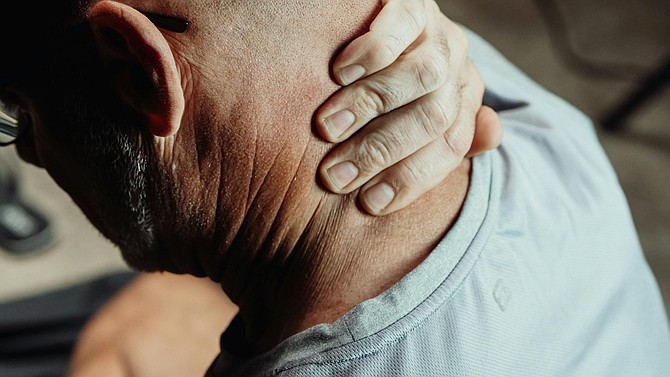
In the recovery and rehabilitation industry, electrical stimulation has become a go-to tool for physical therapy, sports medicine, chiropractors, and even post-operative care. Whether it’s for helping athletes recover quickly after a big game or aiding stroke survivors in regaining their mobility, this non-invasive technique proves to be valuable in modern medicine.
Electrical stimulation delivers low-level electrical pulses to targeted muscles and nerves. The electricity activates muscle fibers, blocks pain signals, and improves circulation. As patients and clinicians search for drug-free, non-invasive solutions for pain or recovery, this therapy is becoming increasingly useful for healing and optimal performance.
What Is Electrical Stimulation?
Electrical stimulation is a therapeutic technique that uses controlled electrical pulses to activate nerve and muscle groups. It may sound scary to use electricity on the skin, but the devices use very low-level pulses to affect only the applied area.
Small electrodes are placed on the skin, sending currents that relax muscles or block pain receptors. The therapy is flexible enough to be used in hospitals, clinics, or even at home. It’s commonly used on patients recovering from injury or pain, as it’s a non-invasive treatment that supports the body’s natural healing process.
Setting It Up
The electric impulses are sent through adhesive electrodes. Users simply apply adhesive patches to the affected areas and then use the machine as directed. The impulses then engage either motor nerves, which cause muscles to contract and strengthen, or target sensory nerves, interrupting pain signals headed toward the brain.
TENS devices, a type of electrical stimulation, can help with chronic back pain, especially when medication or other therapies haven’t been effective alone. Many who suffer from enduring back pain turn to TENS devices for daily relief with minimal side effects.
Clinical Applications in Rehabilitation
The clinical versatility of electrical stimulation makes it a valuable tool in rehabilitation. It’s commonly used for:
Muscle recovery: It aids in restoring muscle strength, retraining muscles after immobility, and reducing inflammation.
Pain relief: Can be used for patients with chronic or acute pain by blocking pain receptors and reducing inflammation in the area.
Swelling and circulation: Stimulating muscles helps promote blood flow.
Neurological rehabilitation: This can be part of a treatment plan for conditions like strokes, spinal cord injuries, or multiple sclerosis to retrain motor functions.
Benefits for Patients
Electrical stimulation has several advantages, especially when compared to pharmaceutical or surgical options. There is no requirement for surgery, implants, or injections to use electrical stimulation, as it’s totally external on the surface of the skin. When used for post-operation patients, the drug-free option is an excellent aid as it doesn’t interact with any necessary medications.
It can also help with better function and mobility, both for athletes looking to recover more quickly or for patients who have lost mobility functions due to injury or disease. By relaxing the muscles, blocking pain receptors, and reducing inflammation, electrical stimulation is helpful for those seeking pain relief.
One study found that consistent neuromuscular electrical stimulation decreased soreness in professional rugby and football players, proving its relevance for recovery and maintaining high performance for elite athletes.
Choosing the Right Equipment
Clinicians use advanced electrical stimulation systems that allow for:
Customizable settings that match the patient’s needs and tolerance.
Ease of use for both professionals and patients at home if they need frequent support.
Data tracking to monitor the intensity, duration, and progress over time.
Quality devices should meet high safety standards and deliver consistent currents. This is key to maintaining the device’s quality over time and to having effective sessions as frequently as every few hours.
The Future of Recovery
Electrical stimulation is no longer reserved for elite athletes or clinics alone. This practical tool helps people move better, heal faster, and ease discomfort. Whether it’s for muscle recovery or to relieve ongoing back pain, this method shows that there is a chance of healing faster.
As electrotherapy technology continues to evolve, it empowers patients and providers to live their best lives with a smarter, safer, and more effective technique.
Here's something you might be interested in.
How Electrical Stimulation Supports Recovery and Pain Relief

How Electrical Stimulation Supports Recovery and Pain Relief
In the recovery and rehabilitation industry, electrical stimulation has become a go-to tool for physical therapy, sports medicine, chiropractors, and even post-operative care. Whether it’s for helping athletes recover quickly after a big game or aiding stroke survivors in regaining their mobility, this non-invasive technique proves to be valuable in modern medicine.
Electrical stimulation delivers low-level electrical pulses to targeted muscles and nerves. The electricity activates muscle fibers, blocks pain signals, and improves circulation. As patients and clinicians search for drug-free, non-invasive solutions for pain or recovery, this therapy is becoming increasingly useful for healing and optimal performance.
What Is Electrical Stimulation?
Electrical stimulation is a therapeutic technique that uses controlled electrical pulses to activate nerve and muscle groups. It may sound scary to use electricity on the skin, but the devices use very low-level pulses to affect only the applied area.
Small electrodes are placed on the skin, sending currents that relax muscles or block pain receptors. The therapy is flexible enough to be used in hospitals, clinics, or even at home. It’s commonly used on patients recovering from injury or pain, as it’s a non-invasive treatment that supports the body’s natural healing process.
Setting It Up
The electric impulses are sent through adhesive electrodes. Users simply apply adhesive patches to the affected areas and then use the machine as directed. The impulses then engage either motor nerves, which cause muscles to contract and strengthen, or target sensory nerves, interrupting pain signals headed toward the brain.
TENS devices, a type of electrical stimulation, can help with chronic back pain, especially when medication or other therapies haven’t been effective alone. Many who suffer from enduring back pain turn to TENS devices for daily relief with minimal side effects.
Clinical Applications in Rehabilitation
The clinical versatility of electrical stimulation makes it a valuable tool in rehabilitation. It’s commonly used for:
Muscle recovery: It aids in restoring muscle strength, retraining muscles after immobility, and reducing inflammation.
Pain relief: Can be used for patients with chronic or acute pain by blocking pain receptors and reducing inflammation in the area.
Swelling and circulation: Stimulating muscles helps promote blood flow.
Neurological rehabilitation: This can be part of a treatment plan for conditions like strokes, spinal cord injuries, or multiple sclerosis to retrain motor functions.
Benefits for Patients
Electrical stimulation has several advantages, especially when compared to pharmaceutical or surgical options. There is no requirement for surgery, implants, or injections to use electrical stimulation, as it’s totally external on the surface of the skin. When used for post-operation patients, the drug-free option is an excellent aid as it doesn’t interact with any necessary medications.
It can also help with better function and mobility, both for athletes looking to recover more quickly or for patients who have lost mobility functions due to injury or disease. By relaxing the muscles, blocking pain receptors, and reducing inflammation, electrical stimulation is helpful for those seeking pain relief.
One study found that consistent neuromuscular electrical stimulation decreased soreness in professional rugby and football players, proving its relevance for recovery and maintaining high performance for elite athletes.
Choosing the Right Equipment
Clinicians use advanced electrical stimulation systems that allow for:
Customizable settings that match the patient’s needs and tolerance.
Ease of use for both professionals and patients at home if they need frequent support.
Data tracking to monitor the intensity, duration, and progress over time.
Quality devices should meet high safety standards and deliver consistent currents. This is key to maintaining the device’s quality over time and to having effective sessions as frequently as every few hours.
The Future of Recovery
Electrical stimulation is no longer reserved for elite athletes or clinics alone. This practical tool helps people move better, heal faster, and ease discomfort. Whether it’s for muscle recovery or to relieve ongoing back pain, this method shows that there is a chance of healing faster.
As electrotherapy technology continues to evolve, it empowers patients and providers to live their best lives with a smarter, safer, and more effective technique.
Comments
Members of the editorial staff of San Diego Reader were not involved in the creation of this content.